Living in a shared house isn't always easy — especially when you come from different countries, work different shifts, and have different daily habits. But with a bit of effort and mutual respect, shared living can work well for everyone involved.
This is a practical guide for factory workers renting rooms in shared houses in Senai, Johor.
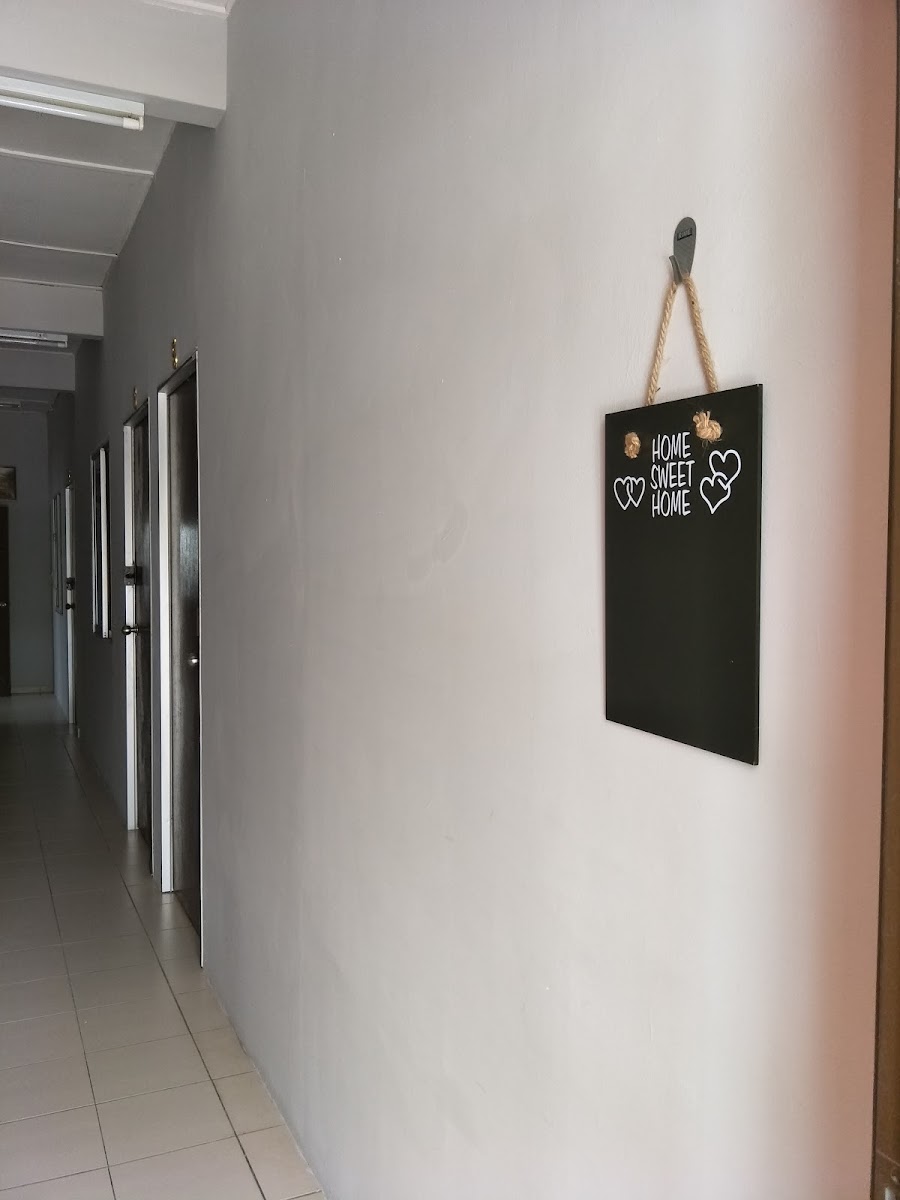 The corridor of a shared rental house — a space every housemate uses daily. Photo: Bilik Sewa Senai
Part 1: Getting Along with Housemates
Respect Other People's Sleep Time
This is probably the most important thing. Factory workers often work different shifts — morning, night, and weekend shifts are all common. At any given time, someone in the house may be sleeping or resting, even if it's the middle of the afternoon for you.
Practical guidelines:
- Keep noise down from 10 PM to 7 AM
- Use earphones when watching videos or listening to music at night
- Close doors gently — don't slam them
- Keep your voice low when you come home late
This applies both ways. Other people will be considerate of your sleep too, if you set the example.
Share Common Spaces Fairly
The kitchen, bathroom, and common areas belong to everyone. Don't monopolise them longer than you need to.
- Use the bathroom efficiently during morning rush hours when everyone is getting ready for work
- Don't leave your personal items in shared spaces for extended periods
- Ask before using anything that belongs to a housemate
These seem like small things, but they're usually the source of most tension in shared houses.
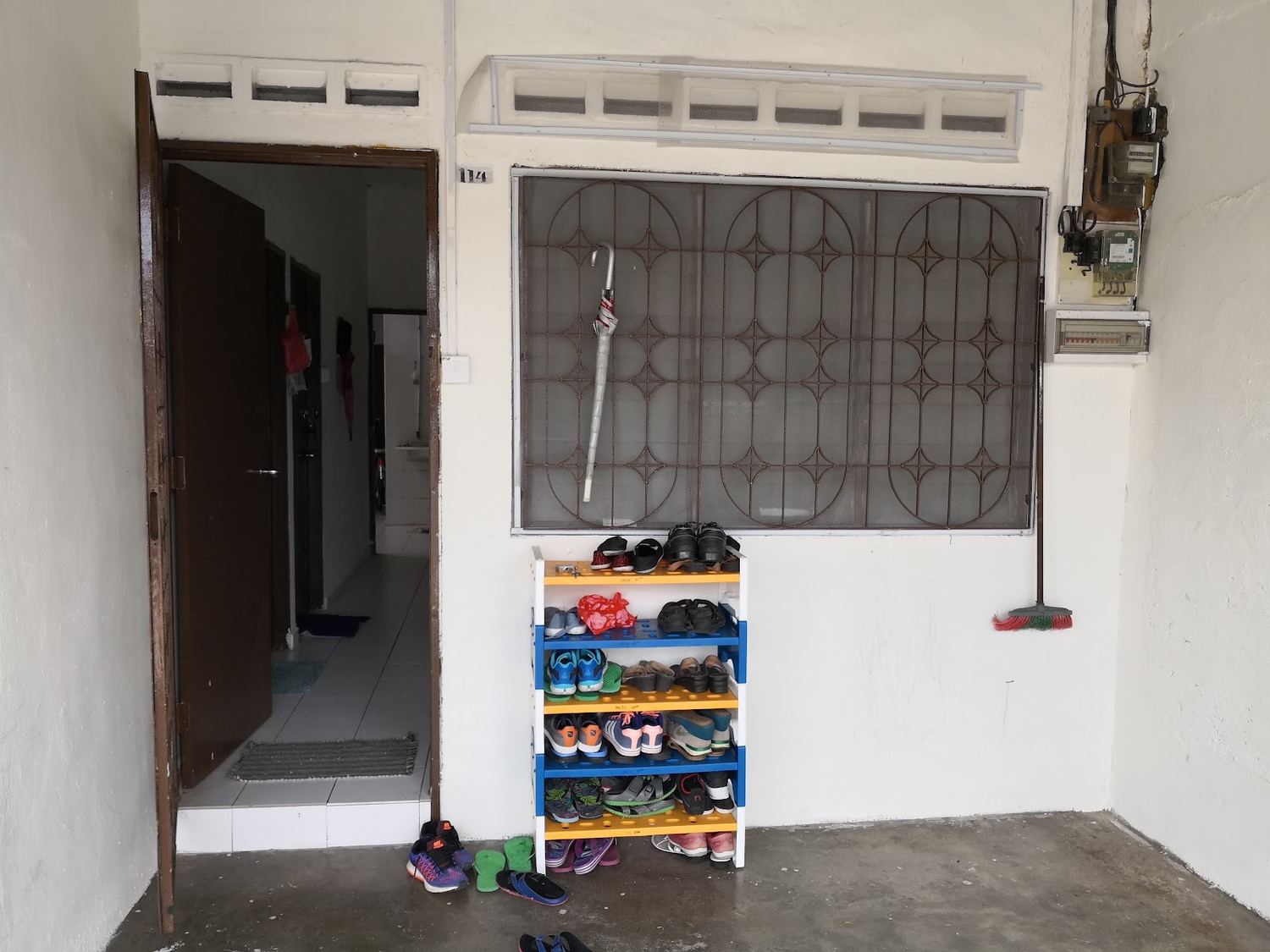 Shoe racks at the entrance — keep your shoes tidy so the walkway isn't blocked. Photo: Bilik Sewa Senai
Talk It Out Directly
If something bothers you — noise, cleanliness, smells, anything — raise it with the person directly, calmly and politely. Don't let it fester, and don't go straight to the landlord for things that can be resolved between housemates. Most problems in shared houses can be sorted with a short, friendly conversation.
How to have that conversation (3 steps):
- Pick a calm moment — not when you're angry or just before work.
- Describe what happened rather than accusing the person. For example: "Last night at 1 am the video was quite loud, and I'm on the morning shift. Could you use earphones?"
- Suggest a solution and say thank you.
If the problem keeps happening after two conversations, then calmly let the landlord know. For houses shared by people from different states and countries, see also living with housemates of different nationalities in Senai.
Part 2: Cleanliness
Cleanliness is the number-one source of conflict in shared houses. Set clear expectations early.
Bathroom
- Use it and clean it. Don't leave hair in the drain, soap smeared on the walls, or a wet floor for the next person.
- Flush the toilet every time.
- Wipe the floor after you shower so the next person doesn't slip.
- Don't leave your toiletries sprawled across the bathroom if others need space for theirs too.
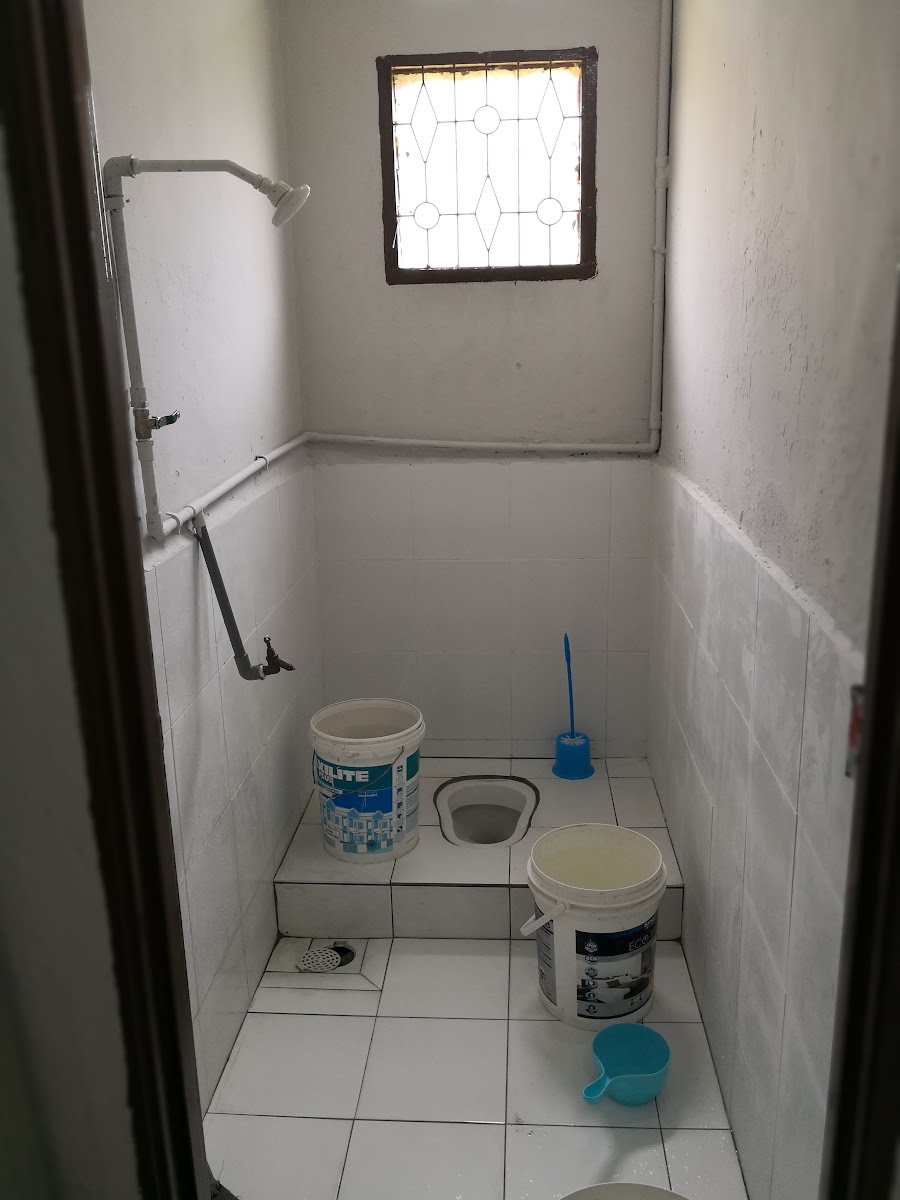 A shared bathroom — clean up after use so it's ready for the next person. Photo: Bilik Sewa Senai
Kitchen (if there is one)
- Wash your own dishes after every meal. Don't pile them in the sink.
- Wipe down the cooking surface after using the stove or pan.
- Store your food in sealed containers — this keeps insects away and avoids mixing up whose food is whose.
- Never take someone else's food without asking first.
- Label containers in the fridge with your name and the date, and throw out old food every week.
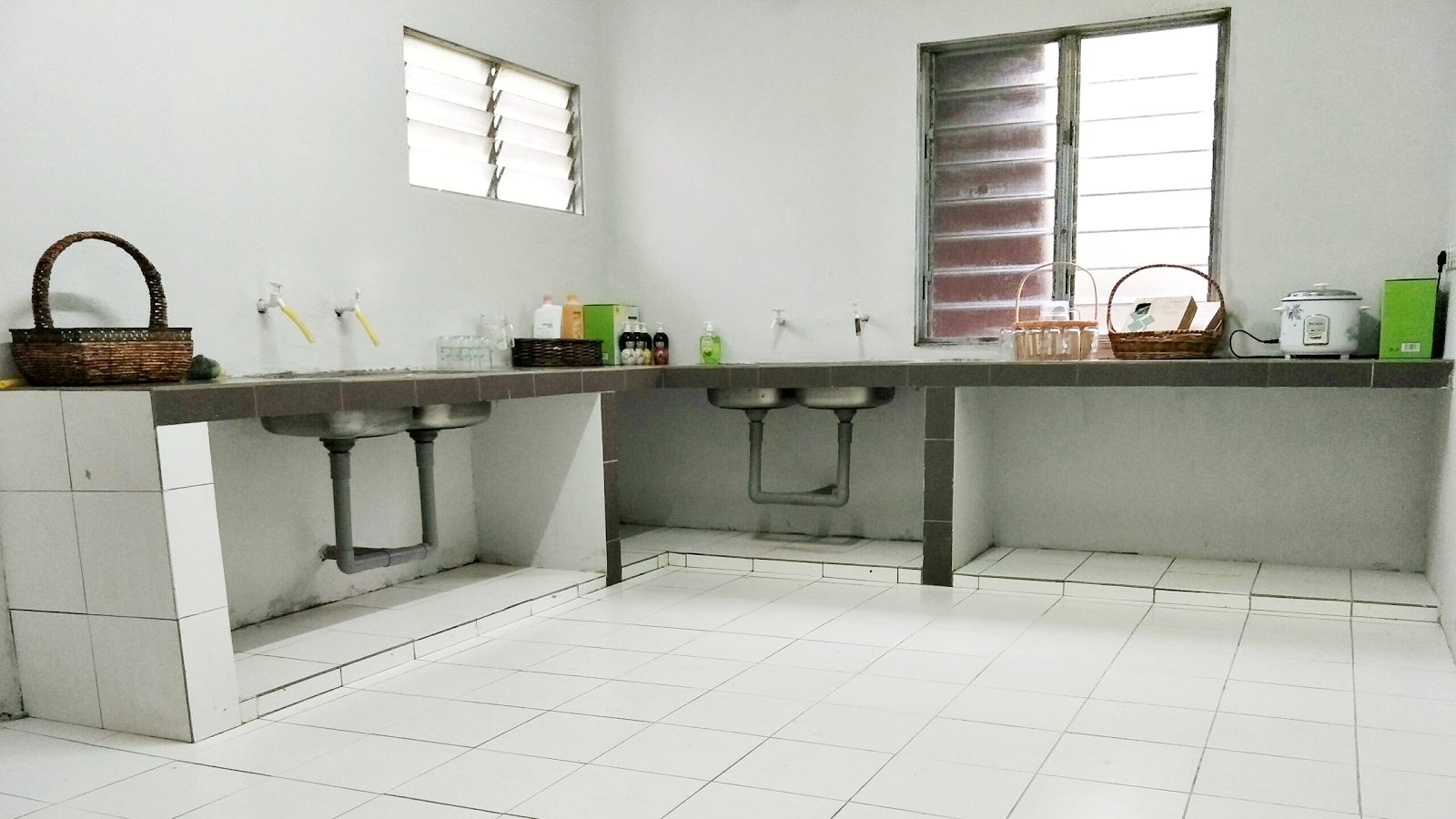 A kitchen with two sinks — wash dishes right away so they don't pile up. Photo: Bilik Sewa Senai
Washing Machine and Drying Area
If the house has a shared washing machine, agree on turns so there is no scramble on rest days. Take your clothes out as soon as the cycle finishes and don't leave wet laundry sitting in the machine. If drying space is limited, hang clothes in turns so walkways aren't blocked.
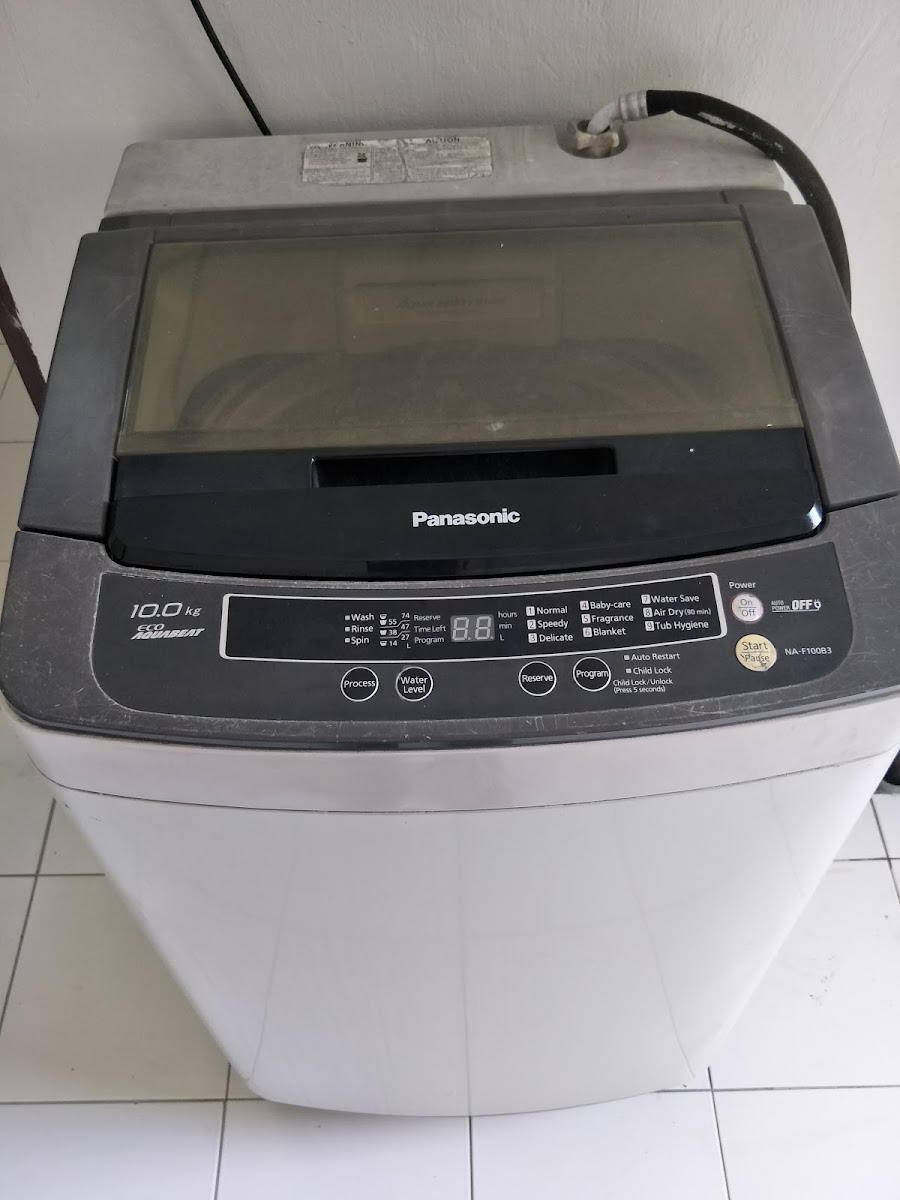 A shared washing machine — agree on turns with your housemates. Photo: Bilik Sewa Senai
Your Own Room
Even though your room is your private space, its cleanliness affects the whole house — particularly through smells and pests. Sweep and mop your room at least once a week.
Keeping Aedes Mosquitoes Away
According to a Ministry of Health public health expert quoted by RTM, people are encouraged to spend at least 10 minutes a week inspecting their home and surroundings. Aedes mosquitoes need only about two centimetres of clear standing water to lay eggs, and the eggs can survive up to eight months in dried containers, so remove standing water and scrub and rinse the containers. In a shared house, make it a weekly rotating job: check buckets, pots, old tyres and small drains around the house.
Shared Cleaning Duties
For areas that everyone uses — corridors, staircases, outdoor areas — make a fair rotation schedule with your housemates. Once it's set up, stick to it. Don't be the person who always skips their turn. Here is a sample weekly rota for 4 people:
| Week | Kitchen & sink | Bathroom | Corridor & outside | |---|---|---|---| | 1 | A | B | C | | 2 | B | C | D | | 3 | C | D | A | | 4 | D | A | B |
Stick the rota on the wall and rotate by the calendar, not by mood.
Shared supplies (illustration): if dish soap, rubbish bags and floor cleaner come to RM30 a month and there are 5 housemates, that's only RM6 each. Agree on it and split equally so nobody feels short-changed.
Part 3: Saving on Electricity
If Electricity Is Included in Your Rent
In our rooms, water and electricity are included in the monthly rent. This is a significant benefit — you won't get surprise bills. But don't take it for granted. If the total usage across the house is excessive, landlords may introduce caps or adjust the rental terms. Use it responsibly.
If You Pay for Electricity Separately (Other Landlords)
These habits will reduce your bill. According to Bernama, citing TNB, TNB suggests setting air conditioning at 24–26°C, switching off the main power and unplugging unused devices when you leave, air-drying clothes instead of using a dryer, and organising the fridge so air can circulate.
Fans and Air Conditioning:
- Turn off fans and aircon when you leave the room — even for a short while
- If you use aircon, set it to 25–26°C (TNB suggests the 24–26°C range). Every degree lower increases energy consumption noticeably
- Use a fan first if the weather isn't too hot — it uses a fraction of the electricity that aircon does
Chargers and Electronics:
- Unplug your phone charger when it's not in use — it still draws power even when nothing is connected
- Turn off the light when you leave the room
- If you have the choice, LED bulbs use significantly less energy than older fluorescent ones
Water:
- Shower efficiently — 30 minutes in the bathroom is more than anyone needs
- Don't let taps run when you're not actively using them
Electrical Safety in a Shared House
In the same Bernama report, TNB also advises people to check sockets, plugs and wiring for damage, use ST-SIRIM-certified appliances, and avoid overloading sockets or using extension cords for high-power equipment. Don't plug several heavy devices (kettle, iron, heater) into one socket. Report any socket that is hot, scorched or smells burnt to your landlord straight away. Electrical supply problems can be reported through the TNB CareLine at 15454 (per Bernama, 14 Feb 2026).
Part 4: Your Relationship with the Landlord
A good landlord is worth keeping. The way you treat the tenancy directly affects whether yours stays good.
- Pay rent on time, every time. This is the single most important thing. A tenant who pays reliably and without reminders is always valued.
- Report damage or faults promptly. If something breaks — a leaking tap, a faulty socket, a cracked window — tell the landlord before it gets worse. Small problems become expensive ones when they're ignored.
- Ask before bringing overnight guests. And before making any modifications to the room, however minor.
- Follow the house rules as agreed in your tenancy agreement.
A landlord who trusts you is more responsive when you need something, and much more likely to renew your contract without hassle.
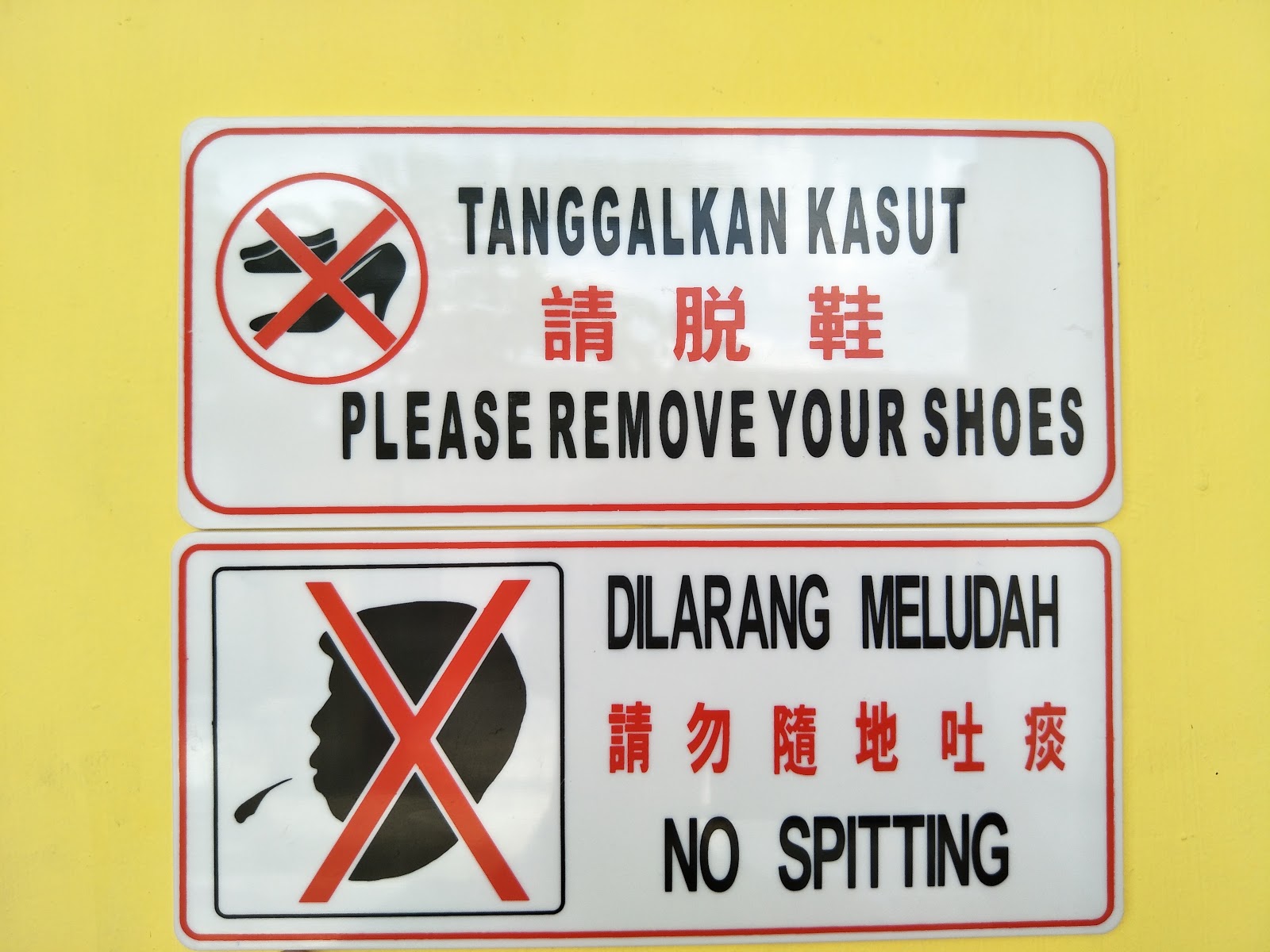 House rules displayed clearly make life easier for everyone. Photo: Bilik Sewa Senai
What to Check With Your Landlord
- Are the house rules (noise, guests, smoking, shoes) written down?
- Who do I contact if something breaks, and how long do repairs usually take?
- Are electricity and water included in the rent, or shared by meter? (In our rooms they are included in the rent.)
- What is the charge if rent is paid late?
For day one, use our move-in checklist and photograph the condition of the room.
Common Mistakes in Shared Houses
- Waiting until a problem is big before talking to your housemate.
- Assuming "someone else will clean it" — then nobody does.
- Leaving lights and fans on when you're not in the room.
- Bringing overnight guests without asking.
- Not reporting small faults to the landlord.
Quick Reference
| Area | What to Do | |---|---| | Quiet hours | Reduce noise after 10 PM | | Bathroom | Clean after each use, don't linger during rush hours | | Kitchen | Wash dishes immediately, store food in sealed containers | | Electricity | Turn off fans and lights when you leave the room | | Rent | Pay on time without needing a reminder |
Comfortable shared living starts with how you behave. When you show respect and take responsibility for your share, the people around you are far more likely to do the same.
What to Do / Who to Call (as of 30 Oct 2026)
- Noisy or messy housemate: talk to them directly first; if it repeats after two tries, tell the landlord.
- Hot, scorched or burning-smelling socket: stop using it and tell the landlord at once.
- Power supply problems: TNB CareLine 15454.
- Standing water outside the house: empty and scrub the containers; check 10 minutes a week. See dengue in Johor 2026 and shared rooms.
- Electricity bill split in a shared house: read the TNB bill and electricity-sharing guide.
Frequently Asked Questions
What if my housemate is noisy at night? Talk to them directly and politely first, suggest earphones, and only tell the landlord if it keeps happening.
Who should clean the bathroom and kitchen? Everyone. Make a rota and stick it on the wall.
What aircon temperature saves electricity? TNB suggests 24–26°C (Bernama).
Can I have a friend stay overnight? Ask your landlord and housemates first, and follow the rules in your tenancy agreement.
What should I do about standing water outside the house? Empty and scrub the containers; check for at least 10 minutes a week.
Who do I call if the power goes out or a socket is faulty? Tell your landlord first; supply faults can be reported to TNB CareLine 15454 (Bernama, 14 Feb 2026).
What are the signs of a dangerous socket or plug? Per TNB's advice in the Bernama report, check sockets, plugs and wiring for damage or looseness and avoid overloading. A socket that is hot, scorched or smells burnt should be reported straight away.
How often should I check the house for dengue breeding sites? At least 10 minutes a week, per a Ministry of Health expert quoted by RTM (20 July 2026).
Sources
- Bernama, TNB electricity-saving and safety tips (14 Feb 2026) (accessed 30 Oct 2026)
- RTM, 10 minutes a week to prevent dengue (20 Jul 2026) (accessed 30 Oct 2026)
Looking for a Room in Senai?
A good room with responsible housemates makes a real difference to your daily life. We rent rooms to factory workers in Senai in houses that are kept tidy and well-maintained.
WhatsApp us at +60 12-708 8789 (https://wa.me/60127088789) to ask about current availability and arrange a time to view.
Looking for a room in Senai? See the rooms at House 112, Taman Senai Baru, check rent, deposit & house rules, or go straight to today's vacant rooms.