Many factory workers new to Senai ask themselves the same question: should I rent a single room, or rent a whole house together with a few coworkers? Both options have real trade-offs. This guide compares them on cost, flexibility, and responsibility so you can decide what fits your situation.
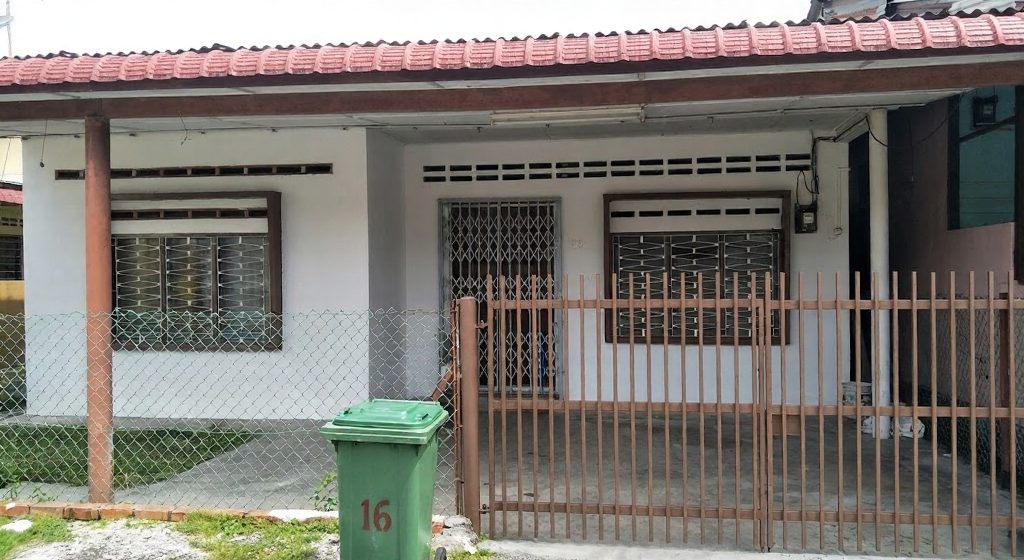
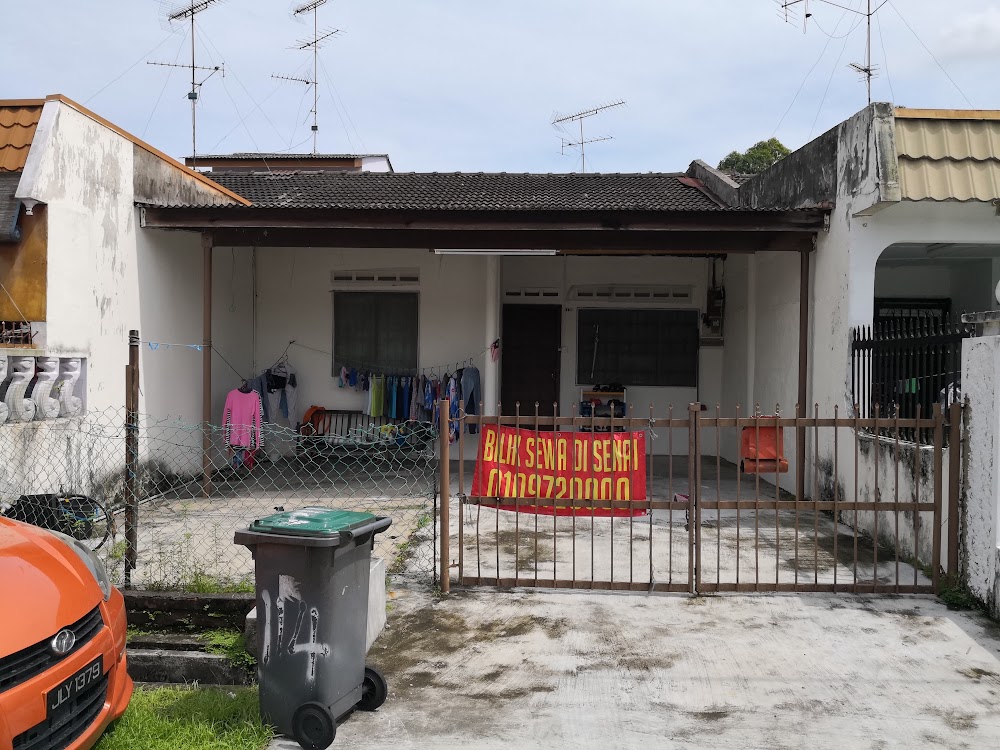 A single-storey terrace house in Taman Senai Baru (House 114) — the kind of house shared by many tenants. Photo: Bilik Sewa Senai
Part 1: Cost Comparison
Renting a Single Room
When you rent one room in a shared house, these are the typical costs involved:
- Monthly rent: RM350–RM400 per month
- Water and electricity: Included in the rent — no separate bills
- Security deposit: RM300–RM450 (refundable when you move out, subject to room condition)
- Key deposit: RM20
- Estimated total move-in cost: around RM750
This gives you a clear, fixed number every month — no surprise utility bills, and nothing to divide with other people.
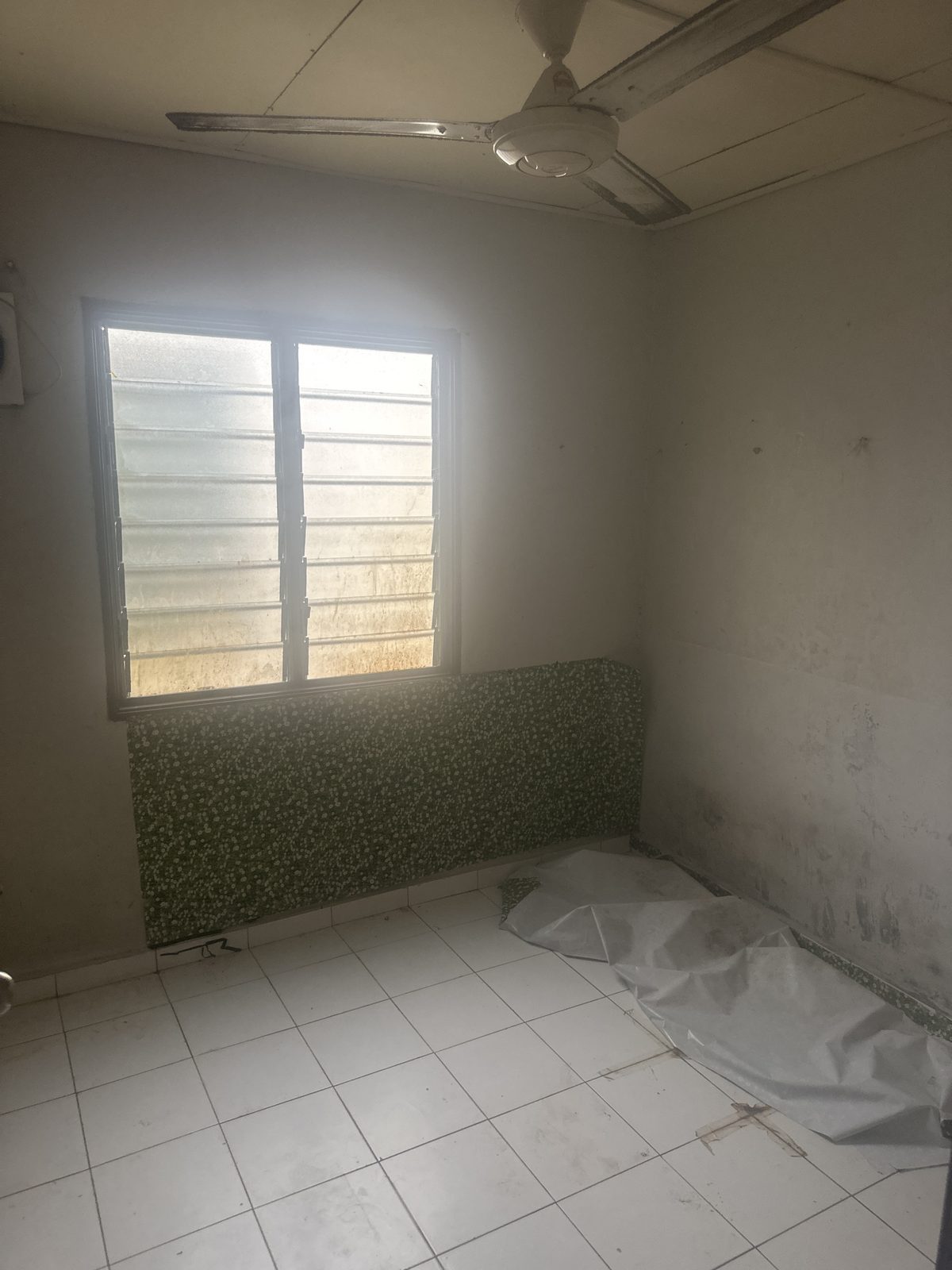
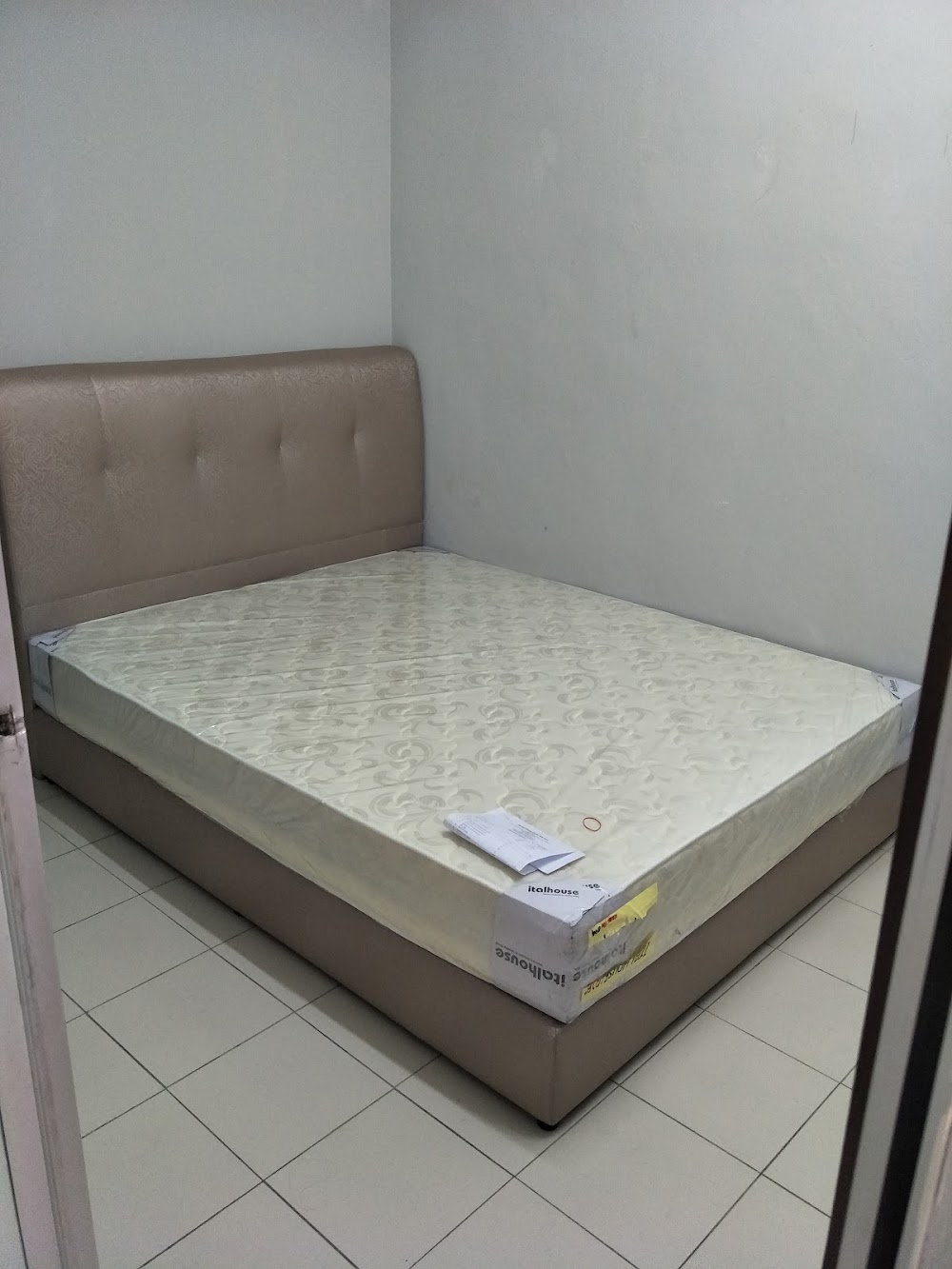 Example of a single room in a shared house (House 175). Photo: Bilik Sewa Senai
Renting a Whole House With Coworkers
If you and a group of coworkers rent a whole house directly from a landlord, the cost structure typically looks different:
- Deposit is usually higher — a "2+1 month" deposit (2 months' rent as security deposit plus 1 month advance rent) is common for whole-house rentals
- Utilities (water and electricity) are typically billed separately from the rent, and need to be split among everyone living there
- One person has to be the named tenant on the tenancy agreement — usually this is the person who pays the landlord and then has to chase everyone else for their share each month
- The total rent is divided by the number of rooms or occupants, so your actual cost depends heavily on how many people are sharing
What does "2+1" mean? According to SPEEDHOME, "2+1" means a 2-month security deposit plus 1 month's advance rent — three months' rent paid before you get the keys. The same source notes that a utility deposit (around half a month's rent) is often charged as well, and that no law caps the deposit amount — it is set in the tenancy agreement. So ask the landlord exactly what is included before you agree.
Quick comparison table:
| Item | Single Room Rental | Whole House Rental | |---|---|---| | Deposit | RM300–RM450 + RM20 key deposit | Typically 2+1 months' rent | | Water & electricity | Included in rent | Usually separate, split among tenants | | Who manages payment | You pay the landlord directly | One named tenant collects from the rest | | Flexibility to leave | Easier, tied to a single room agreement | More complex, tied to a whole-house agreement | | Best suited for | Individuals or a small pair | A stable group of coworkers |
A worked example (made-up numbers, for illustration only)
Say a house is rented for RM1,600 a month by five people, with a "2+1" deposit:
- Upfront payment to the landlord = 2 months' deposit (RM3,200) + 1 month's rent (RM1,600) = RM4,800, or RM960 each if split evenly — before any utility deposit and the first bills.
- Monthly rent per person = RM1,600 ÷ 5 = RM320, plus each person's share of the water and electricity bills, which change every month.
Compare that with a room: move-in cost of around RM750, and a fixed monthly rent with no extra bills. The whole-house figures here only show how to do the sum — real prices depend on the landlord and location.
Part 2: Flexibility
One of the biggest advantages of renting a single room is flexibility. If your work situation is uncertain — you might change factories, switch shifts, or need to move to a different area mid-year — a single-room agreement is usually much simpler to end than a whole-house agreement involving several names.
Renting a whole house suits a group that's fairly certain they'll stay together for a while and isn't expecting to move soon. If one person in the group quits their job or moves out suddenly, it can create a real problem for the rest — either finding a replacement for that room, or covering the shortfall temporarily.
Part 3: Responsibility
Renting a Single Room
Your responsibility is clear and limited — pay your room rent on time, take care of your room, and follow the house rules. The landlord handles things like house maintenance, issues with other tenants, and utility payments.
Renting a Whole House
If you're the named tenant on a whole-house agreement, your responsibility is much bigger:
- You're accountable to the landlord for the full rent amount, even if a housemate is late paying their share
- You have to collect and chase payment from every housemate, every month
- If there's damage or an issue with the landlord, you're the one in the middle
- If a housemate moves out suddenly, you're the one who has to find a replacement or cover the shortfall
For those who aren't the named tenant (just "living there"), the risk is lower but so is your control — you depend entirely on whoever is the main tenant to sort things out with the landlord.
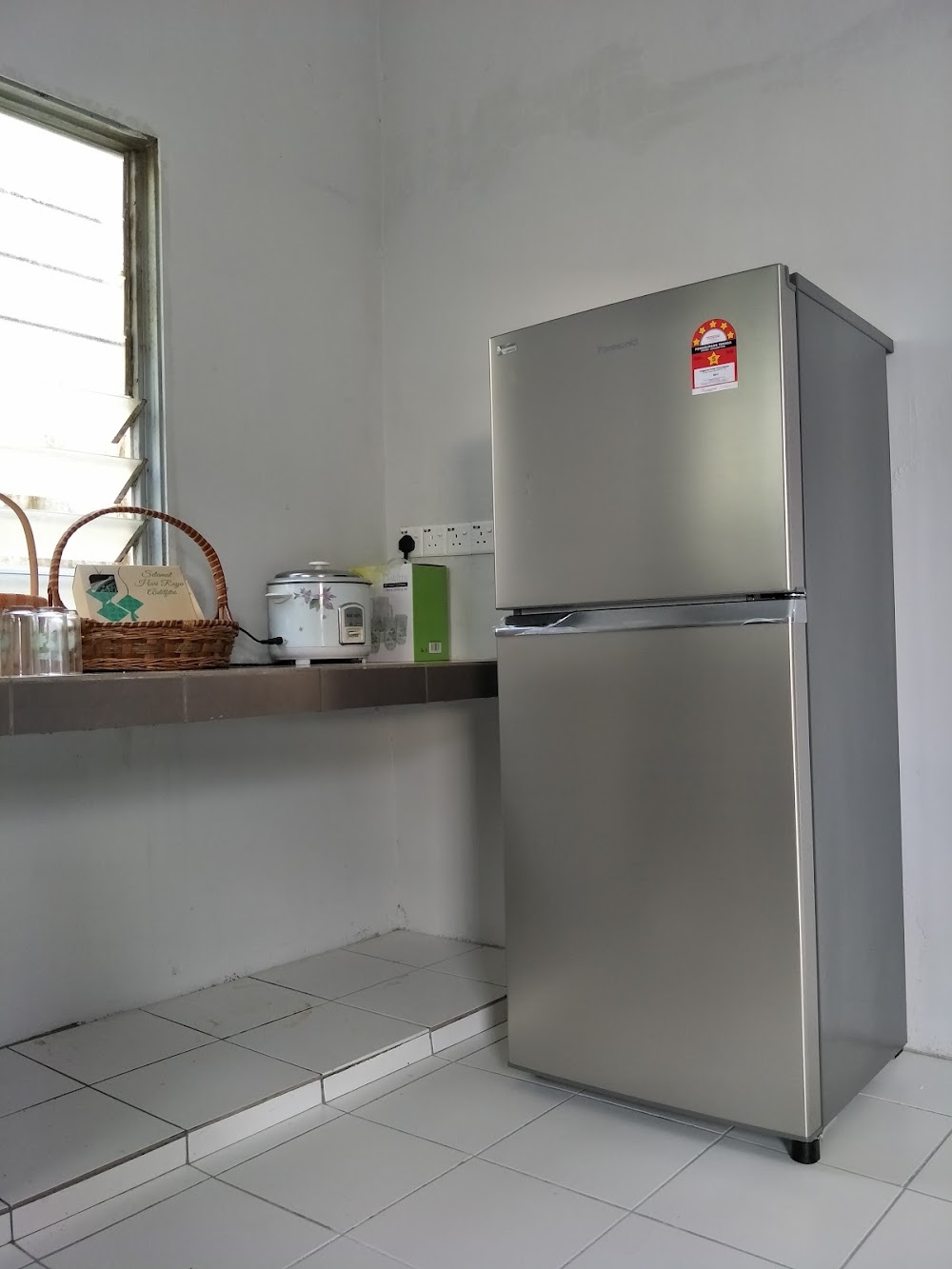
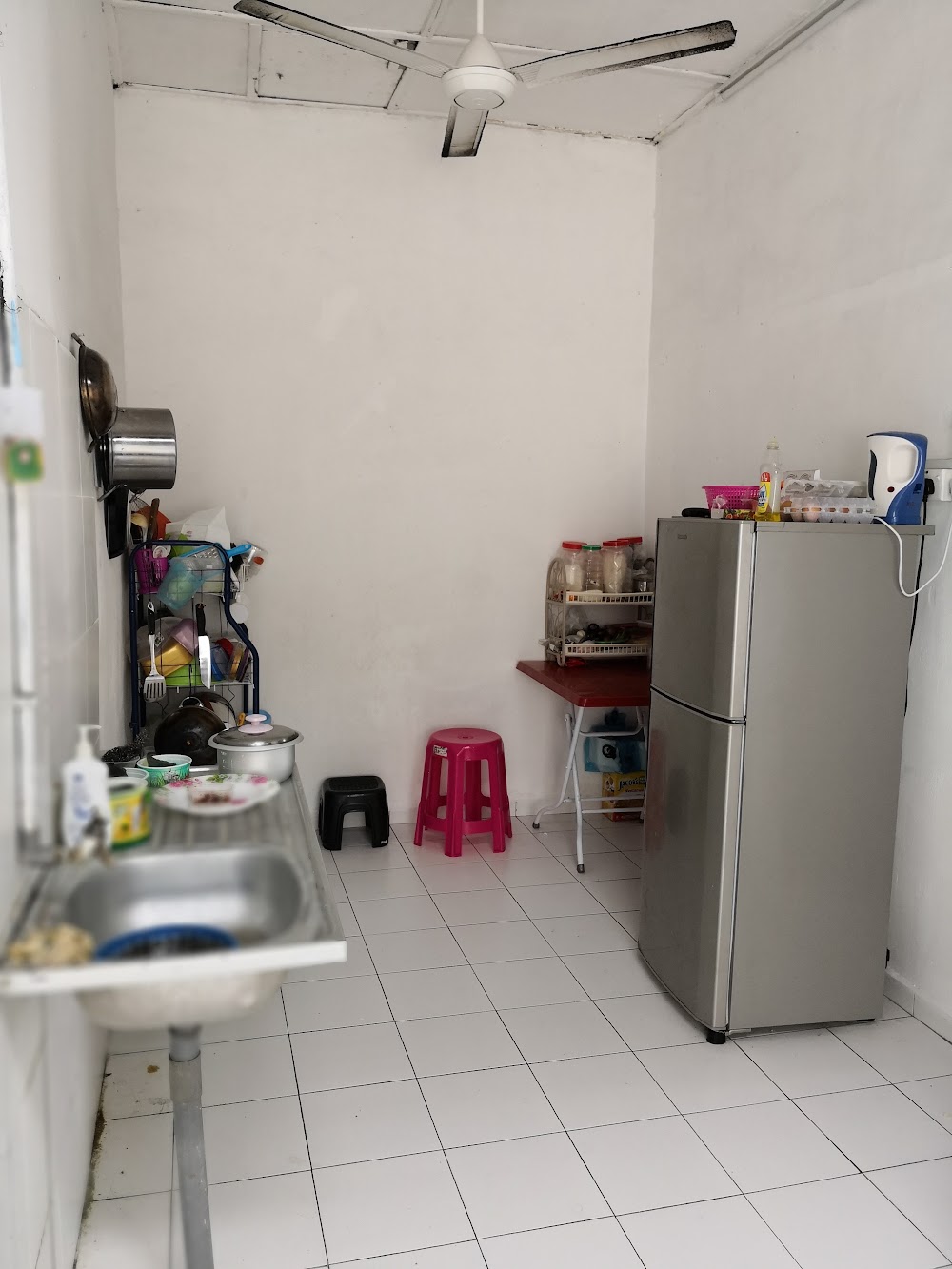 The shared kitchen in House 114. In a whole-house rental, the tenants themselves manage cleaning and cost-splitting. Photo: Bilik Sewa Senai
Tips if you rent a whole house with friends
- Write down the cost split (rent, water, electricity, WiFi) in one group WhatsApp message so everyone agrees.
- Set an internal payment date a few days before the date the landlord is paid, so the named tenant doesn't have to cover the gap.
- Keep receipts for payments to the landlord and for utility bills.
- Agree early on what happens if someone quits their job or moves out — who finds a replacement, and how much notice is needed.
If your employer provides the accommodation
Some workers, especially foreign workers, live in accommodation provided by their employer. Under the Workers' Minimum Standards of Housing and Amenities Act 1990 (Act 446), an employer must not house employees in a building that doesn't comply with the Act, and accommodation must hold a Certificate of Accommodation from the Labour Department. The Act was amended in 2019 and the amendment took effect on 1 June 2020, extending it to all employment sectors in Peninsular Malaysia and Labuan. If you're unsure about employer-provided housing, ask the Labour Department (JTK) or your employer; this article isn't legal advice.
Part 4: Privacy
Renting a single room in a shared house gives you your own private space, even while sharing facilities like the kitchen and bathroom with other tenants who may be strangers at first. Renting a whole house with coworkers usually means living with people you already know well — this can be an advantage (comfortable with familiar people) or a drawback (less separation between your work relationships and your living arrangement).
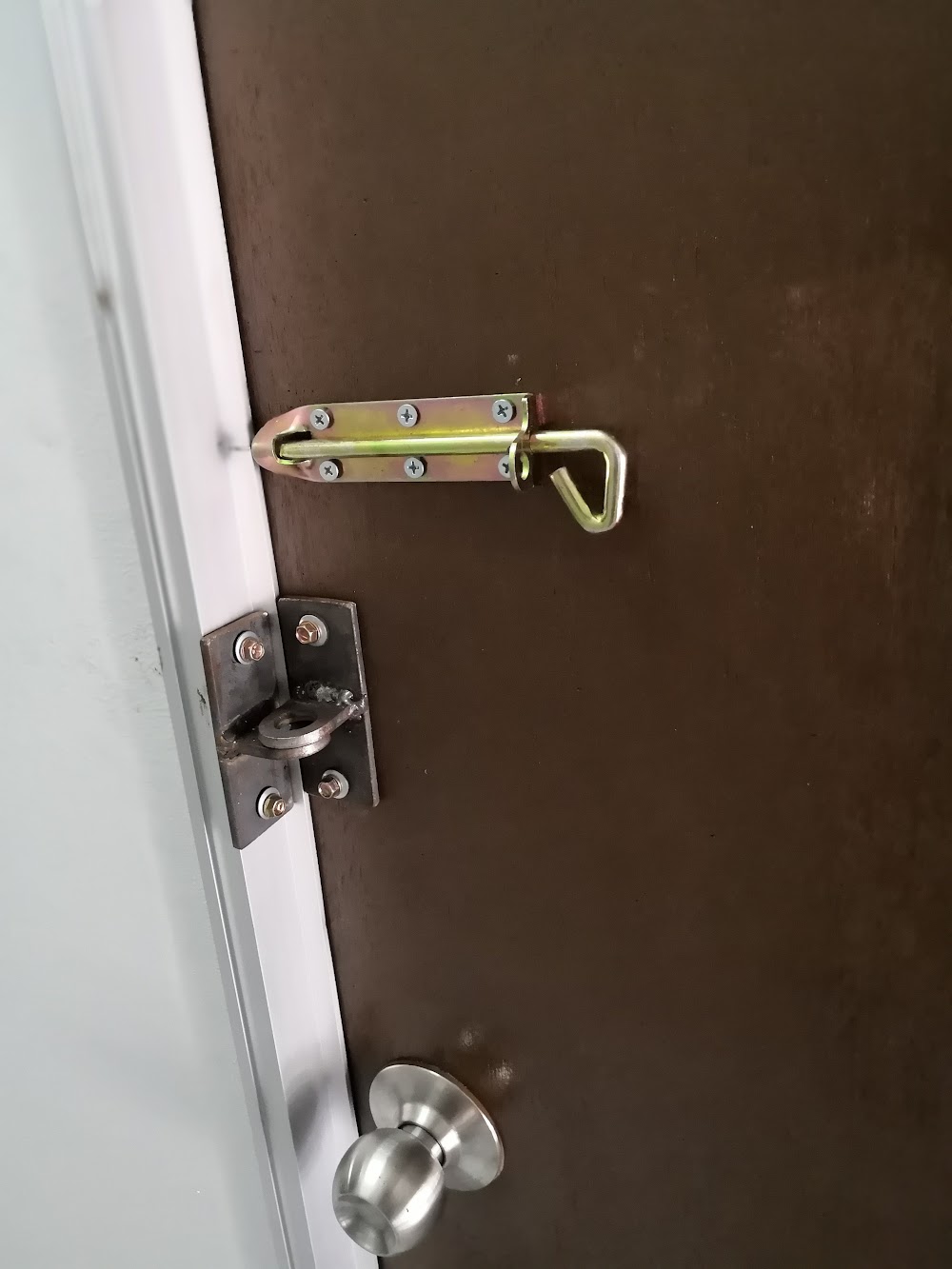 A room door with a security chain and knob lock in House 151 — your private space in a shared house. Photo: Bilik Sewa Senai
Part 5: Which Fits You Best?
A single room suits you if you:
- Work alone, or with just one friend or sibling
- Want a fixed, predictable cost every month without worrying about utility bills
- Need the flexibility to move if your work situation changes
- Don't want the responsibility of managing other people's payments
A whole house suits you if you:
- Have a stable, trusted group of coworkers who plan to stay together long-term
- Are willing to take on (or share) the responsibility of being the named tenant
- Want more overall space and are willing to manage splitting utility costs every month
Questions to ask yourself before deciding
- How long do I expect to work in this area?
- Do I trust everyone who would live with me to pay on time?
- Do I have the cash for a bigger upfront deposit?
- Am I willing to be the named tenant and deal with the landlord?
If your answers to questions 2 to 4 are "not sure", a single room is usually the safer choice.
See also our guides on the real cost of renting a room in Senai and the monthly cost of living estimate for Senai for fuller financial planning.
What to Do / Who to Call
- Before renting a whole house: ask for a written agreement. Find out the deposits (security, utility, advance rent) and who will be the named tenant.
- Stamp duty: a tenancy agreement must be stamped within 30 days of signing through e-Duti Setem on MyTax. The rate is RM1 per RM250 of annual rent for tenancies up to one year, minimum RM10 (as of 30 Oct 2026). Questions: HASiL Contact Centre 03-8911 1000.
- Employer-provided housing you're unsure about: ask the Johor Bahru Labour Office: Levels 9 & 10, Menara Ansar, 65 Jalan Trus, 80000 Johor Bahru, tel 07-2222400 / 07-2243188.
- Emergency: 999 (free).
- See also No Residential Tenancy Act: Tenant Rights and Deposits.
FAQ
Q: Which is cheaper — renting a room or renting a whole house? A: It depends on how many people share the house. A single room gives you a fixed, clear cost (RM350–RM400 including utilities). A whole house can be cheaper per person if enough people share it, but utilities are usually separate and need to be split fairly every month.
Q: Can I switch from a single room to a whole house later? A: Yes, many workers start with a single room to get to know the area and find coworkers they trust, then consider a whole house once they have a stable group.
Q: Who should be the named tenant if we rent a whole house? A: Usually whoever has the most stable job and is comfortable handling communication with the landlord and collecting payment from housemates each month.
Q: What does a "2+1" deposit mean? A: Usually a 2-month security deposit plus 1 month's advance rent. A utility deposit may be charged too. Ask the landlord exactly, because the amount is set in the agreement.
Q: If a housemate disappears without paying their share, who covers it? A: In a whole-house rental, the named tenant is accountable to the landlord for the full amount. That's why you should only rent a whole house with people you trust, and agree internal payment rules from the start.
Q: Does a whole-house tenancy agreement need stamping? A: Yes. It must be stamped within 30 days of signing, online through e-Duti Setem on MyTax. An unstamped agreement is not void, but it cannot be accepted as court evidence until the duty and penalty are paid. The law does not say who pays, so agree it with the landlord.
Q: What deposit is usual for a whole-house rental? A: Common market practice is a 2-month security deposit, 1 month's advance rent and a utility deposit of about half a month. This is not a legal limit, so the real amount is set in your agreement.
Q: My employer's housing is overcrowded and has no Certificate of Accommodation. Who do I contact? A: Ask the Johor Bahru Labour Office on 07-2222400 / 07-2243188. This article isn't legal advice.
Looking for a Room in Senai?
If you'd rather have a fixed cost and no utility bill worries, a single room might be the simpler choice. See an example of our rooms at House 151, and read tips for living comfortably in a shared rental room for extra preparation.
WhatsApp us at +60 12-708 8789 (https://wa.me/60127088789) to check room availability and arrange a time to view. We deal with every tenant directly — no agent, no extra fees.
Sources
Last checked 30 Oct 2026. We summarise sources in our own words; check the official sites for the latest changes.
- iMoney, Stamp duty on tenancy agreements (accessed 30 Oct 2026)
- PropCashflow, e-Duti Setem 2026 (accessed 30 Oct 2026)
- SPEEDHOME, What is a 2+1 deposit (cited in the article; accessed 30 Oct 2026 via search)
- iBilik, Rental deposits in Malaysia explained (accessed 30 Oct 2026)
- The Iskandarian, 2019 amendment to Act 446 (accessed 30 Oct 2026)
- JTKSM, Contact us: Johor Bahru office (accessed 30 Oct 2026)
- Civil Defence Department, 999 emergency services (accessed 30 Oct 2026)
Looking for a room in Senai? See the rooms at House 114, Taman Senai Baru, check rent, deposit & house rules, or go straight to today's vacant rooms.