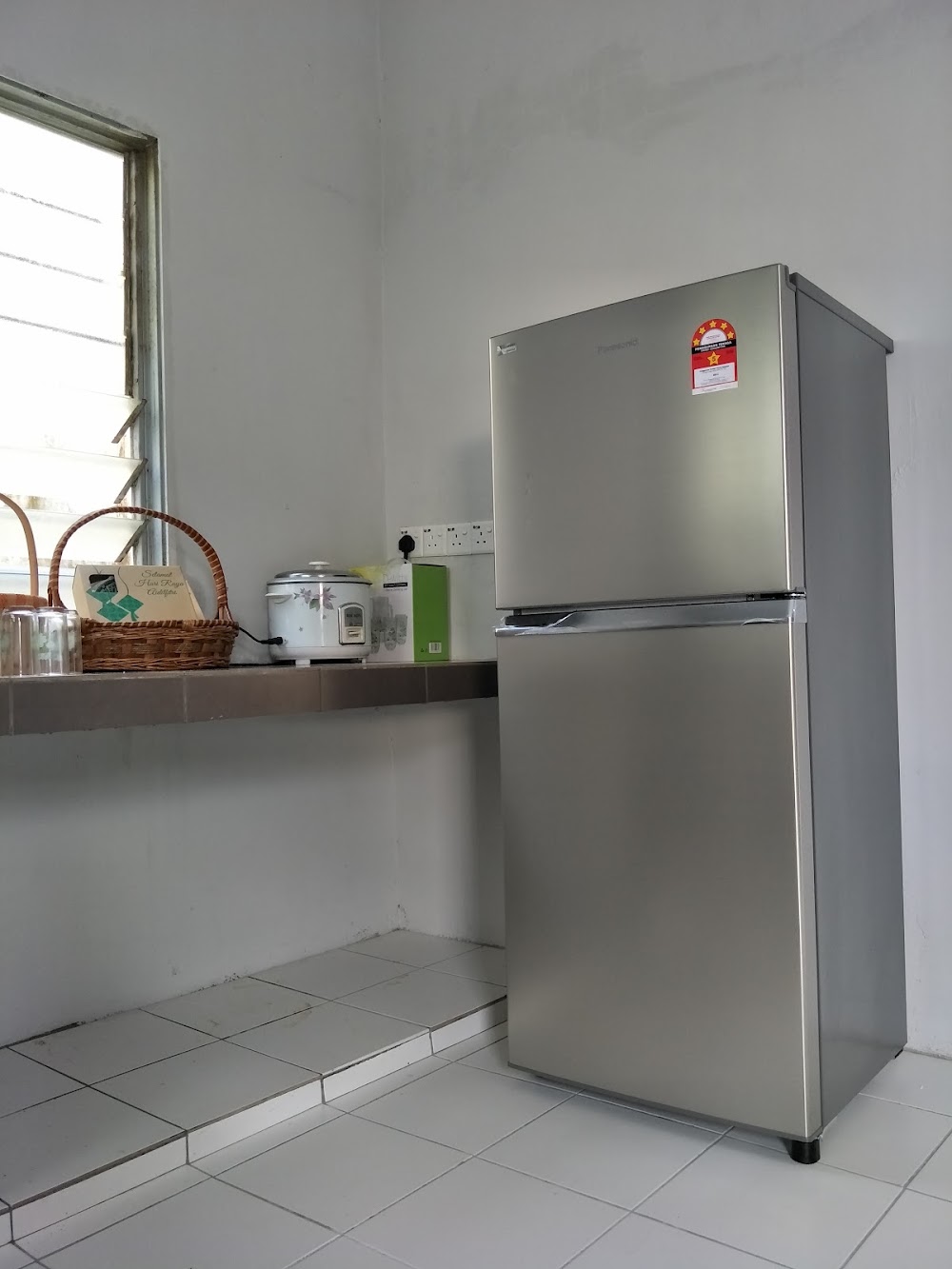
As of 30 September 2026. Hazy, hot weather has pushed electricity use up in many homes, and on 17 September the Prime Minister announced extra protection on TNB bills. If you rent a room in a shared house, you may be wondering what this changes for you. This guide explains the new rule in plain language, then covers the part nobody likes talking about: how housemates can split an electricity bill without fighting.
What changed: 600 kWh becomes 800 kWh
According to TNB's announcement (18 Sep 2026), the protection threshold for domestic customers has been raised from 600 kWh to 800 kWh a month. It covers electricity used from 1 September to 31 December 2026.
If your usage is 800 kWh a month or less, three items are not charged, as reported by paultan.org:
- the Automatic Fuel Adjustment (AFA);
- the monthly retail charge (RM10 a month, per paultan.org);
- SST (sales and service tax).
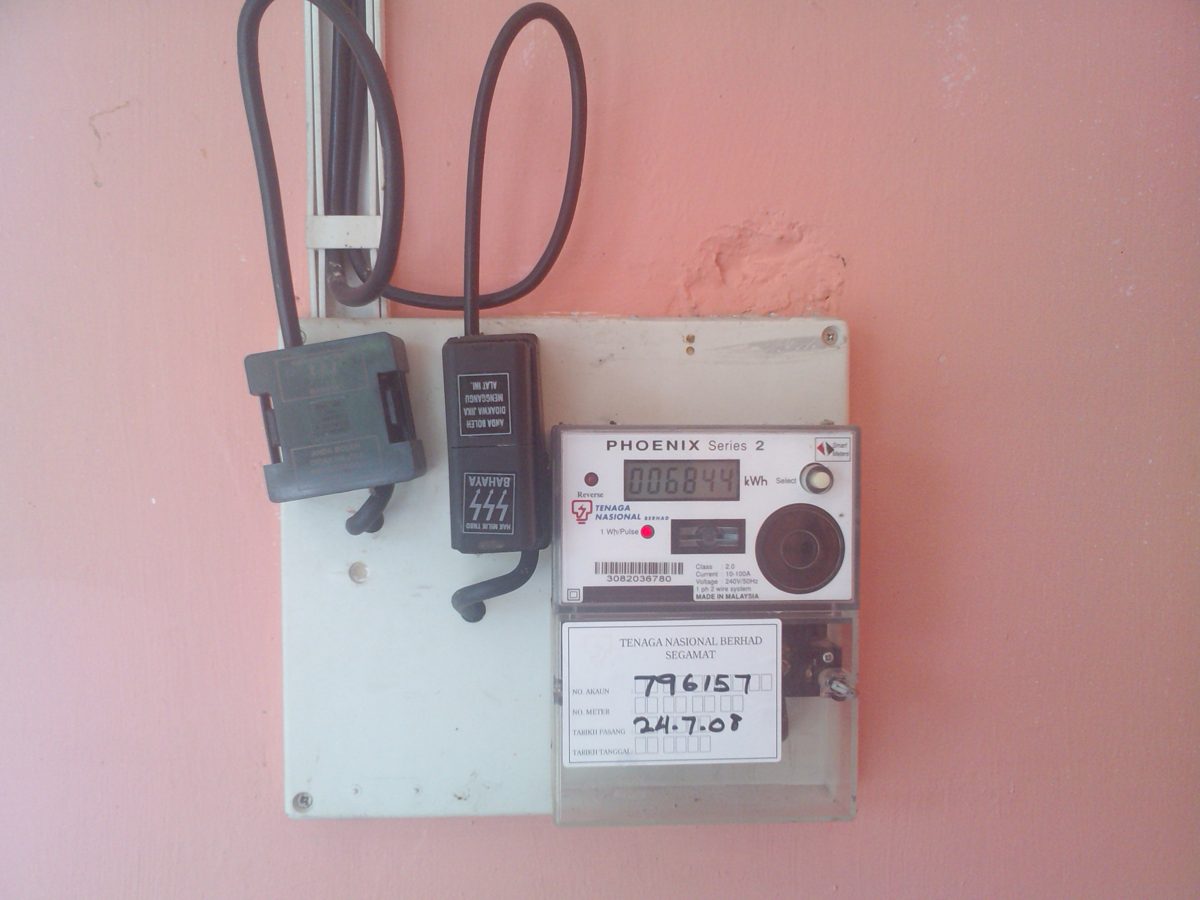 A TNB electricity meter. Photo: Hezery99, public domain, via Wikimedia Commons
Paultan.org estimates the saving at about RM39 a month at 700 kWh and about RM47 a month at 800 kWh. TNB's own page gives no ringgit figures, so treat those two numbers as estimates.
More points from the official and news reports:
- TNB says more than 8 million customers, up to 90% of its domestic customers, are covered (TNB).
- The September adjustment is credited in your October 2026 bill (The Star, 19 Sep 2026). Do not panic if the September bill still looks high when it arrives.
- The Star reports that TNB expects to absorb an estimated RM120 million to RM150 million.
- Households above 800 kWh get no exemption and pay the standard charges.
- The threshold goes back to 600 kWh on 1 January 2027 (paultan.org).
- The Prime Minister said the haze and warmer weather were pushing consumption up, with some homes going over 600 kWh (Malay Mail, 17 Sep 2026).
What this means for a shared room
First, find out who receives the TNB bill. Most worker houses in Senai include water and electricity in the rent, but not all do (see our guide on the real cost of renting a room). If electricity is included in your rent, the TNB bill goes to the landlord, so the exemption benefits the landlord's account, not your pocket directly. Your rent does not change unless the landlord changes it.
Second, if your house splits the bill among tenants, the exemption helps only if the bill itself is at or below 800 kWh. We could not find an official statement on how the threshold applies to a house with many tenants, so we cannot tell you. Ask your landlord how the meter is billed and whether the whole house is on one account.
Third, a house with many people and several fans or air-conditioners can climb quickly. Households above 800 kWh pay the standard charges, so small habits matter more when you are close to the line.
Fair ways to split the bill
If your house divides a TNB bill among tenants, agree on the method before the bill arrives. Three common approaches:
| Method | How it works | Good when | Weak point | |---|---|---|---| | Equal split | Total divided by number of people | Everyone uses similar amounts | Unfair to someone who is rarely home | | Per room | Each room pays a fixed share, more for rooms with aircon | Rooms have different appliances | Needs an agreed list of appliances | | Per appliance | Extra charge for a personal aircon, kettle or rice cooker | Only a few people have big appliances | More arguments about what to count |
Worked example (illustration only, not a real bill). A house bill of RM300 shared equally by 6 people is RM50 each. If the house instead agrees that the two people running an air-conditioner pay RM30 each and the other four split the remaining RM240, those four pay RM60 each. Either method can be fair. What matters is that everyone agreed to it in writing beforehand.
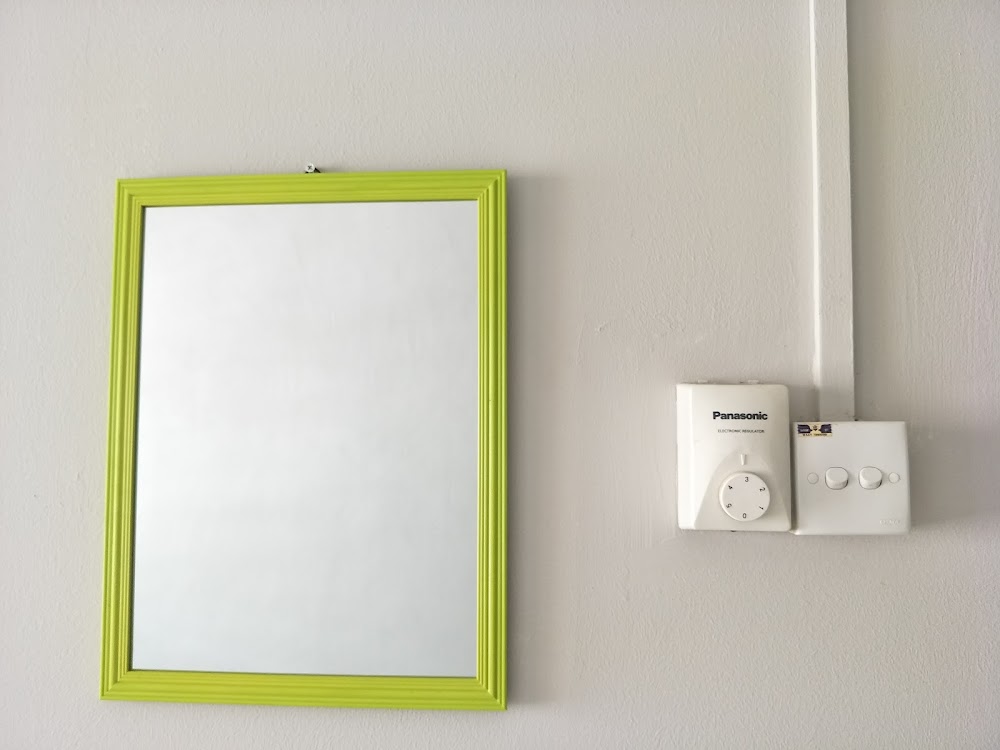 Fan speed matters: a fan on low uses less than one on full. Photo: Bilik Sewa Senai
Tips that keep the peace:
- Write the method in the house WhatsApp group and get a thumbs-up from everyone.
- Take a photo of the bill and share it the day it arrives.
- Pay by bank transfer and keep the proof.
- Review the method whenever someone moves in or out.
- If a housemate is away for weeks, agree beforehand whether they pay a reduced share.
Using less electricity, house-wide
The exemption is temporary, so it is worth keeping usage down anyway. See also our post on living comfortably in a shared room. Simple actions:
- Switch off fans and lights when the room is empty.
- Dry clothes on a rack outside instead of using a dryer when the weather allows.
- Run the washing machine with a full load, and share it.
- Do not leave phone chargers, rice cookers or kettles plugged in for no reason.
- Keep the fridge door shut and let hot food cool before putting it in.
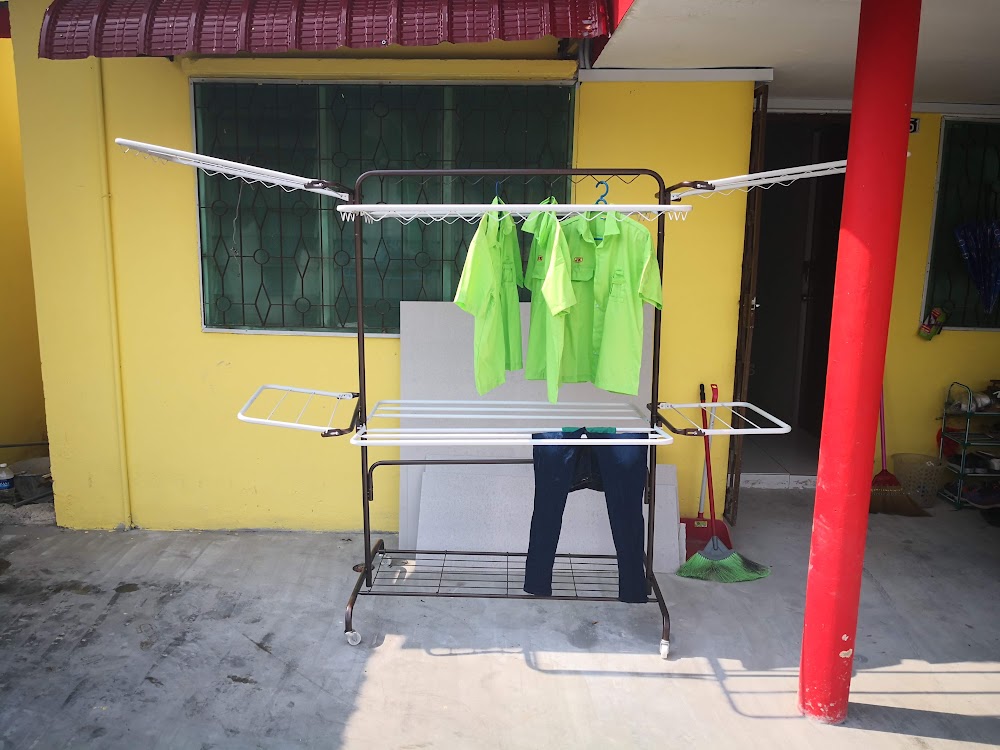 Sun-drying laundry costs nothing. Photo: Bilik Sewa Senai
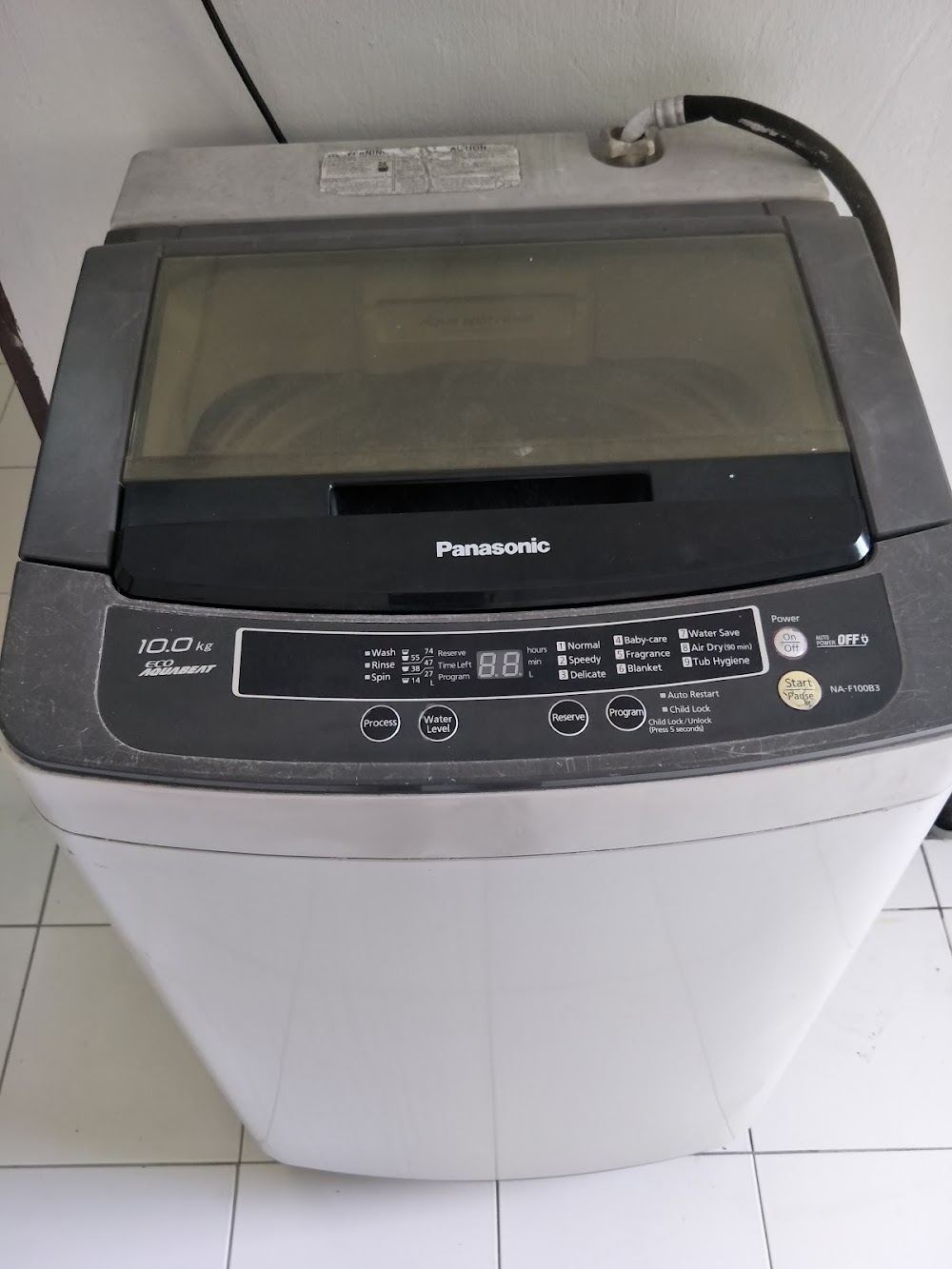 A shared washing machine works best with full loads. Photo: Bilik Sewa Senai
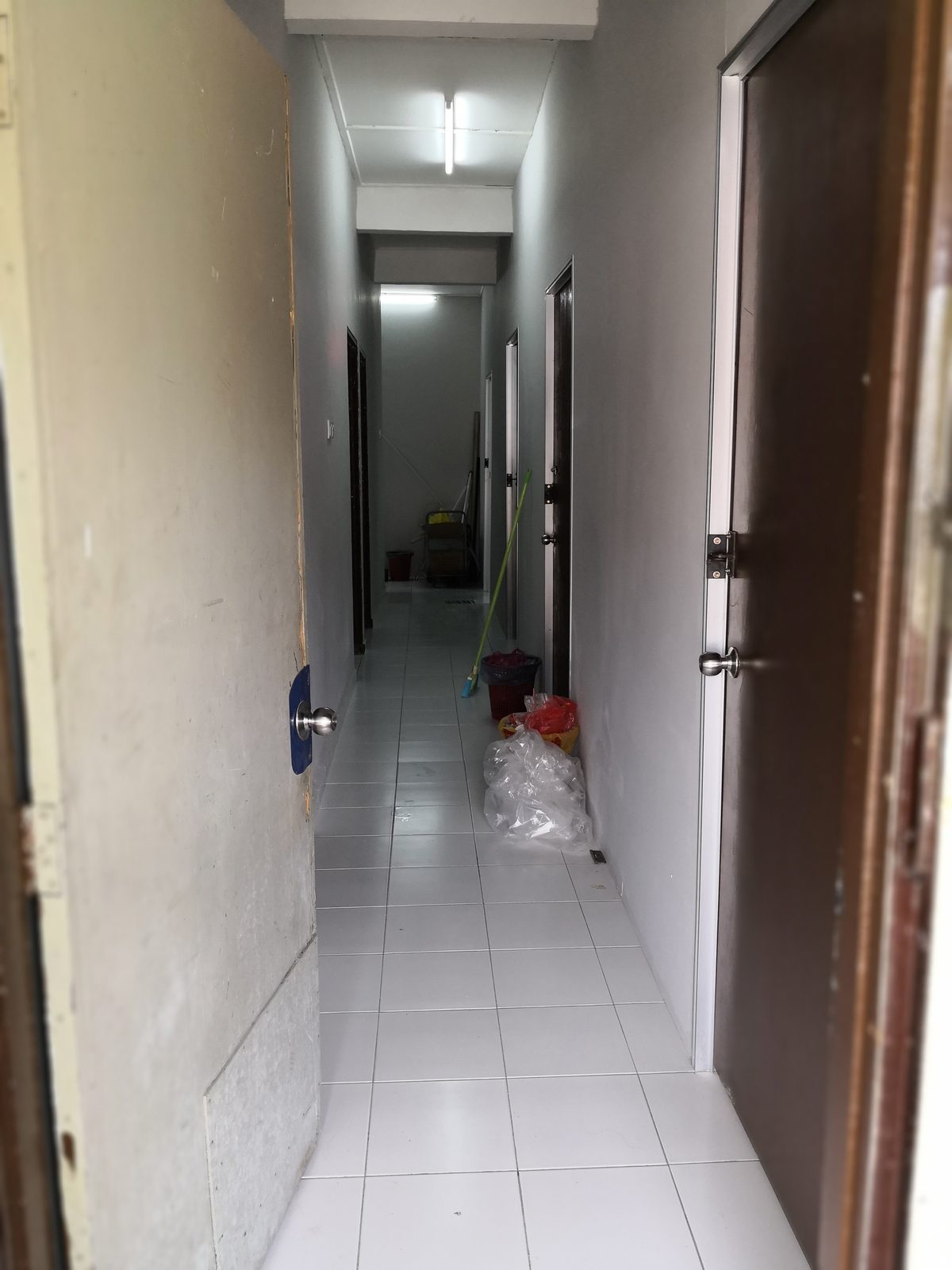
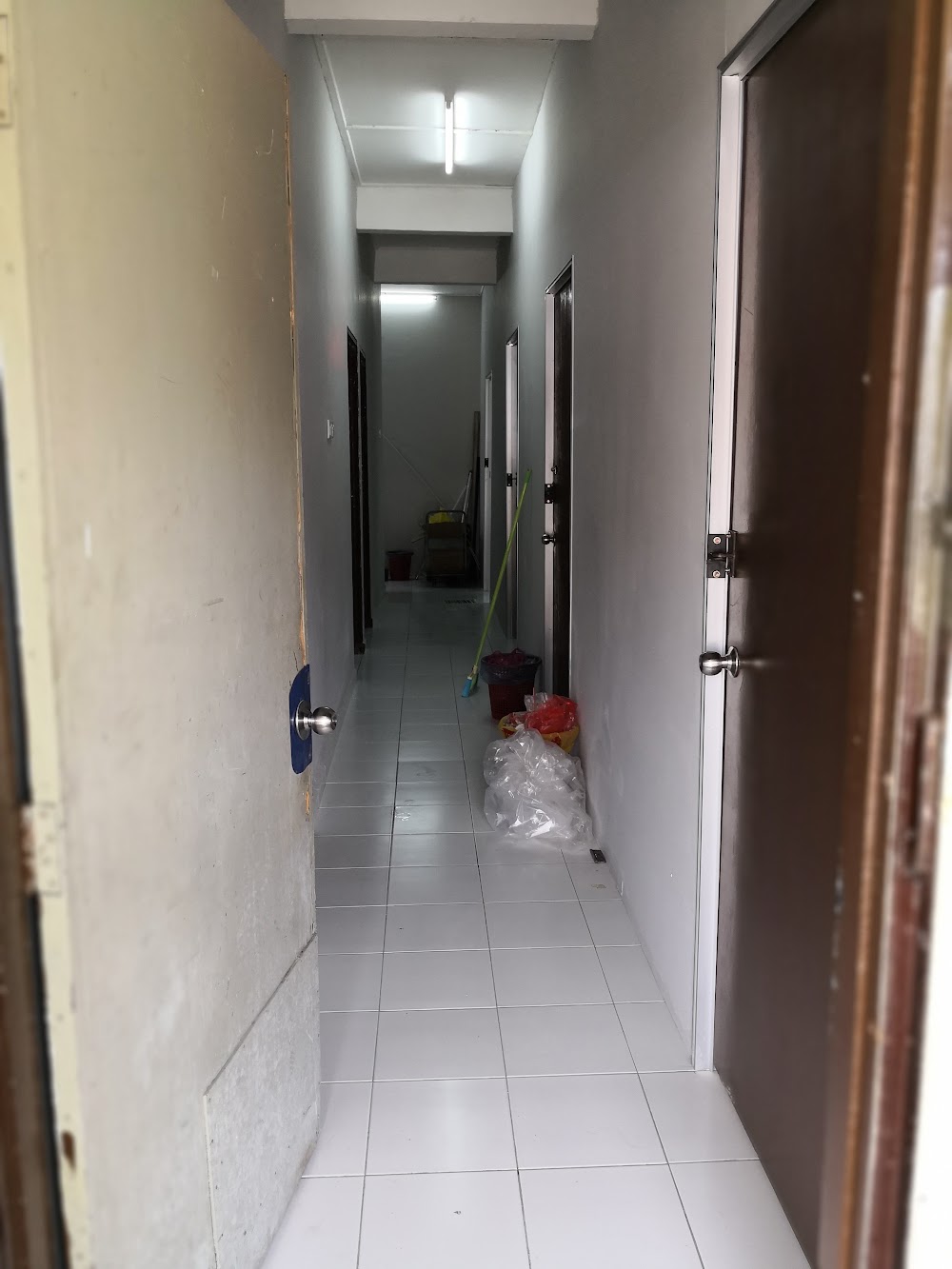 Corridor lights left on all night add up. Photo: Bilik Sewa Senai
What to check with your landlord
- Are electricity and water included in the rent, and is that written down?
- If not, what is the billing method and who keeps the TNB bill?
- Will the rent or the charges change during the 800 kWh period, or stay the same?
- What happens after 31 December 2026, when the threshold goes back to 600 kWh?
FAQ
Does the 800 kWh protection apply to me if electricity is included in my rent? The exemption is applied on the TNB account. If you do not pay the bill directly, your rent does not automatically change. Ask your landlord.
When will I see the saving? TNB says the September adjustment is credited in the October 2026 bill.
What happens on 1 January 2027? According to paultan.org, the protection goes back to 600 kWh. Plan your budget for that.
How much can I save? Paultan.org estimates about RM39 a month at 700 kWh and about RM47 at 800 kWh. TNB gave no ringgit figure.
What is the fairest way to split the bill? There is no single rule. Pick a method (equal, per room or per appliance), write it down and keep a photo of each bill.
Sumber / Sources
- TNB, Electricity bill protection expanded (18 Sep 2026)
- paultan.org, Electricity bill protection raised to 800 kWh for Sept-Dec 2026 (17 Sep 2026)
- The Star, Increased 800kWh threshold will be in effect until Dec 31 (19 Sep 2026)
- Malay Mail, Anwar: households using up to 800kWh exempt (17 Sep 2026)
- Meter photo: Hezery99, public domain, Wikimedia Commons
Looking for a room in Senai? See the rooms at House 175, Taman Senai Baru, check rent, deposit & house rules, or go straight to today's vacant rooms.