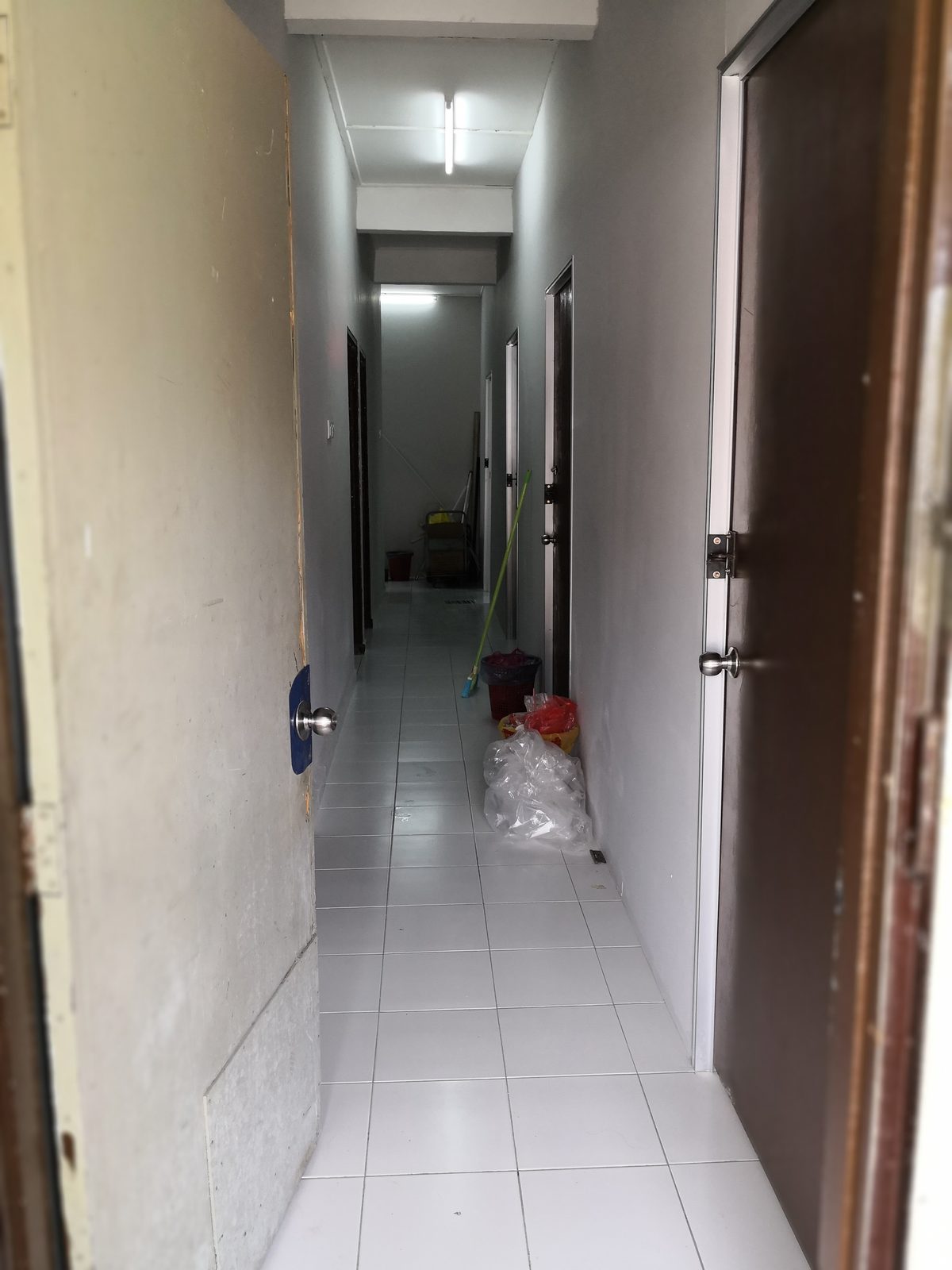
If you're moving to Senai from Sabah or Sarawak, chances are your new house won't just have other Malaysians in it. Our houses are shared by tenants from a genuine mix of backgrounds — Indonesian, Myanmar, Nepali, Bangladeshi, and Malaysian tenants (including many from Sabah). For a lot of first-time renters, this is one of the biggest adjustments. Here's what to actually expect.
What a Typical Shared House Looks Like
Most of our houses have several rooms, a shared kitchen, shared bathroom(s), and a shared laundry area. You'll have your own private room, but common spaces are used by everyone in the house. Tenants usually work different shifts at different factories, so the house is rarely fully "quiet" or fully "busy" at the same time — someone's always coming or going.
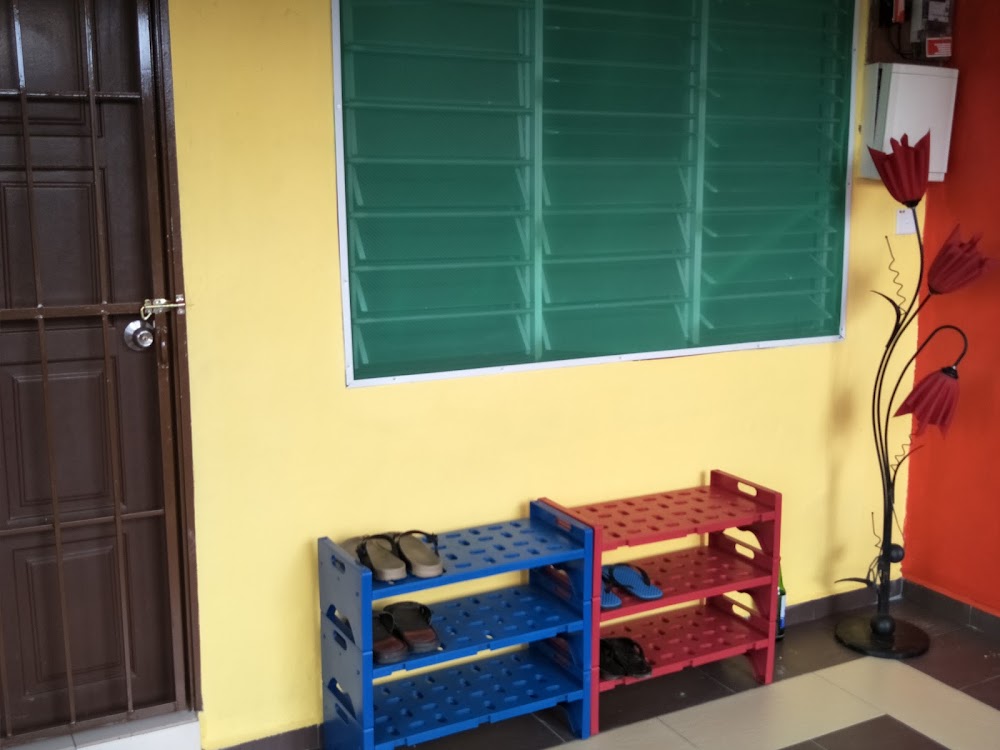 The entrance with shared shoe racks in House 175. Photo: Bilik Sewa Senai
A typical day in a shared house
To picture it: on an ordinary day one tenant leaves early for the morning shift, another has just come back from a night shift and wants to sleep, and a third is cooking lunch. That's why tolerance and short, clear communication help so much. Most small disputes come from ordinary things like noise, a kitchen that wasn't cleaned, or a washing machine used out of turn — not from differences in nationality or background.
Getting Along with Housemates from Different Backgrounds
- Introduce yourself early. A simple hello and a quick chat about names and work shifts goes a long way. Most housemates appreciate the effort, even with a language barrier.
- Respect different schedules. Night-shift workers sleep during the day — keep noise down in shared areas during daytime hours if you know a housemate just got off work.
- Shared kitchen etiquette matters. Clean up after cooking, label your own food if the fridge is shared, and don't use someone else's cookware without asking.
- Language differences are normal. Simple English or Bahasa Malaysia usually bridges most day-to-day conversations, even between housemates whose first languages are completely different. A translation app on your phone helps for anything more detailed.
- Religious and dietary differences are common. Some housemates keep halal, some don't eat certain foods for other reasons — be considerate about smells, storage, and shared cooking equipment.
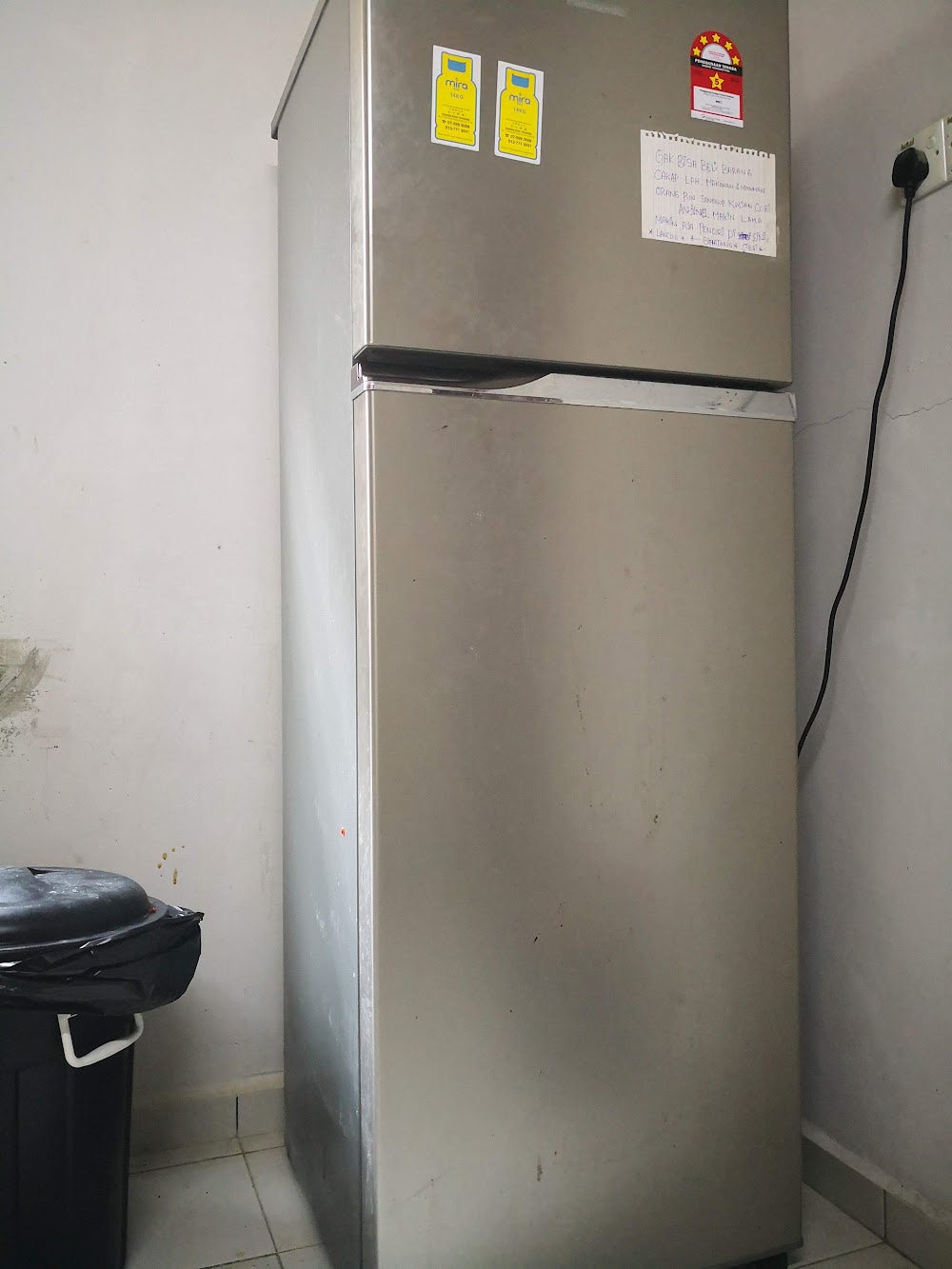 The shared fridge in House 151. Label your food and don't take other people's. Photo: Bilik Sewa Senai
Simple phrases that help
You don't need to be fluent. A few short sentences in Bahasa Malaysia or English are enough:
- "Hi, saya (name). Baru pindah masuk." / "Hi, I'm (name). I just moved in."
- "Awak kerja syif apa?" / "What shift do you work?"
- "Boleh saya guna mesin basuh lepas ni?" / "Can I use the washing machine after you?"
- "Maaf, kalau bising." / "Sorry if it's noisy."
A smile and a polite hello usually mean more than perfect grammar.
Benefits of a Mixed Household
- You pick up practical tips fast — housemates who've been in Senai longer are often the best source of real advice on where to eat cheap, which clinic is good, or how to handle a landlord issue.
- A wider support network — if you fall sick or need help on a day off, housemates from any background are usually willing to lend a hand, especially once you've settled in and built trust.
- Shared understanding of being far from home — everyone in a worker house is, in some sense, away from their own family. That shared experience often builds genuine friendships across nationalities faster than you'd expect.
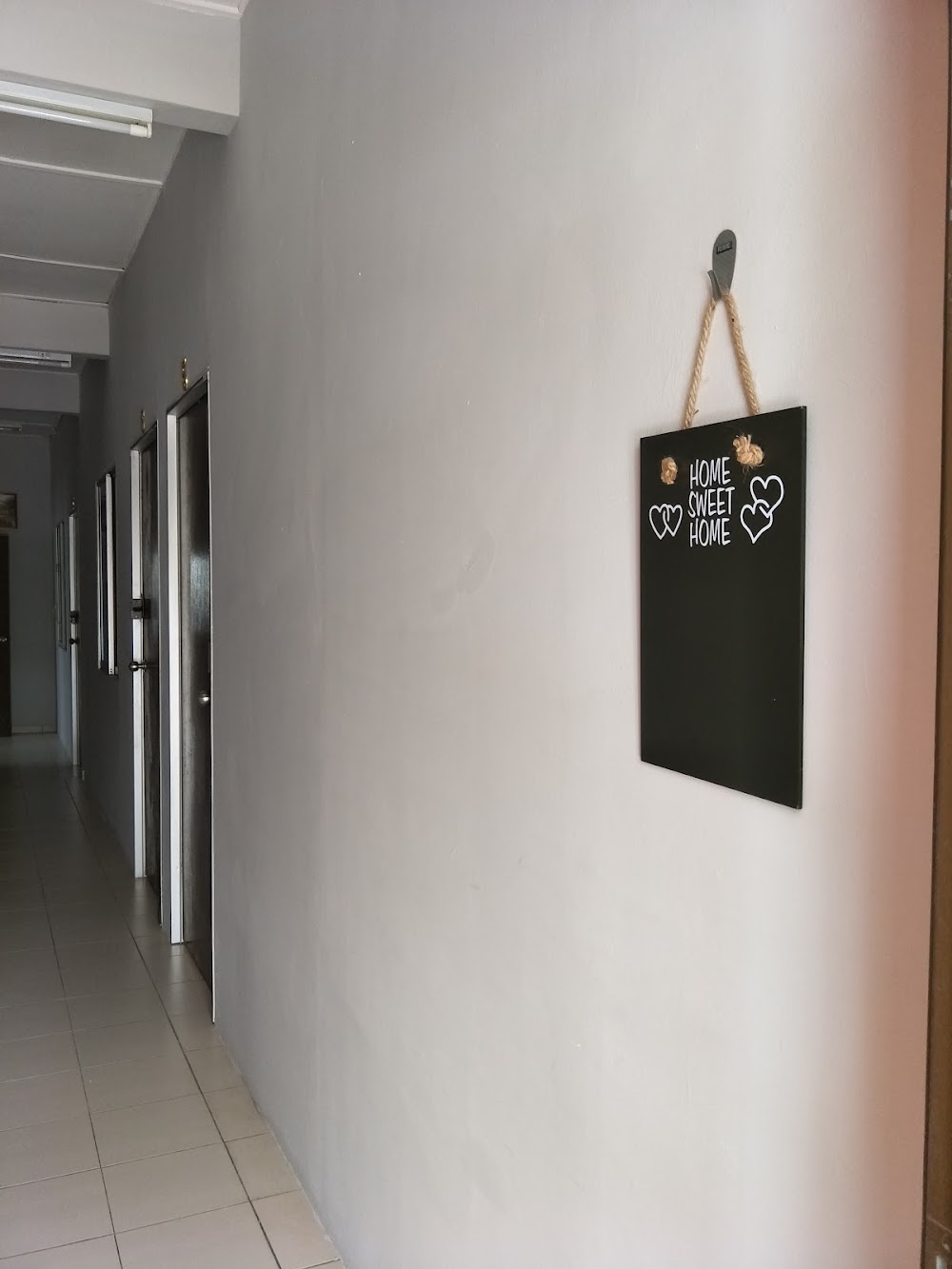 The corridor in House 175 with a "Home Sweet Home" sign. Photo: Bilik Sewa Senai
Common House Rules to Expect
Every house is a little different, but most have some version of these unwritten (or written) rules:
- Quiet hours during common sleeping times, given mixed shift schedules
- No overnight guests without informing the landlord or housemates first
- Everyone contributes to keeping shared spaces (kitchen, bathroom, corridor) clean
- Shared appliances like the washing machine are used on a rotation, not left running indefinitely
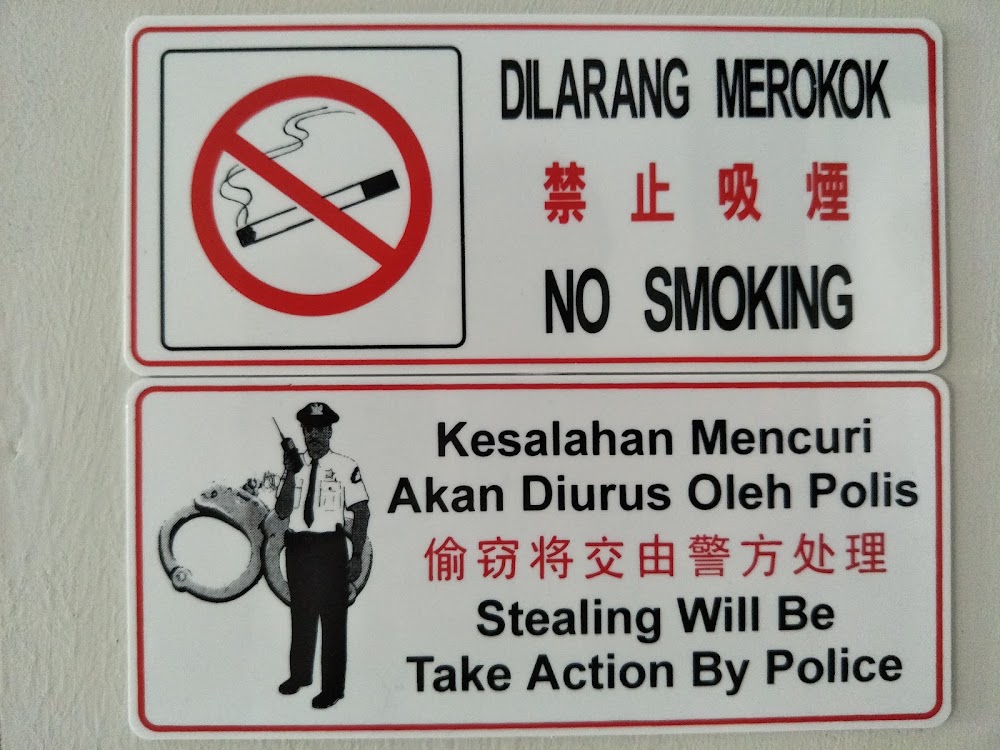 House-rule signs in House 175: no smoking, and look after your valuables. Photo: Bilik Sewa Senai
A simple cleaning and rota example
Houses that run smoothly usually have a simple system. Here's one you could suggest to your housemates:
| Task | A simple way | |---|---| | Kitchen | Whoever cooks cleans up before bed | | Bathroom | Weekly rota, or everyone cleans after use | | Washing machine | Take turns by time slot; don't leave wet clothes sitting in the machine | | Rubbish | Rotate by day, or whoever fills the bin takes it out | | Drying rack | Take your own clothes down as soon as they're dry |
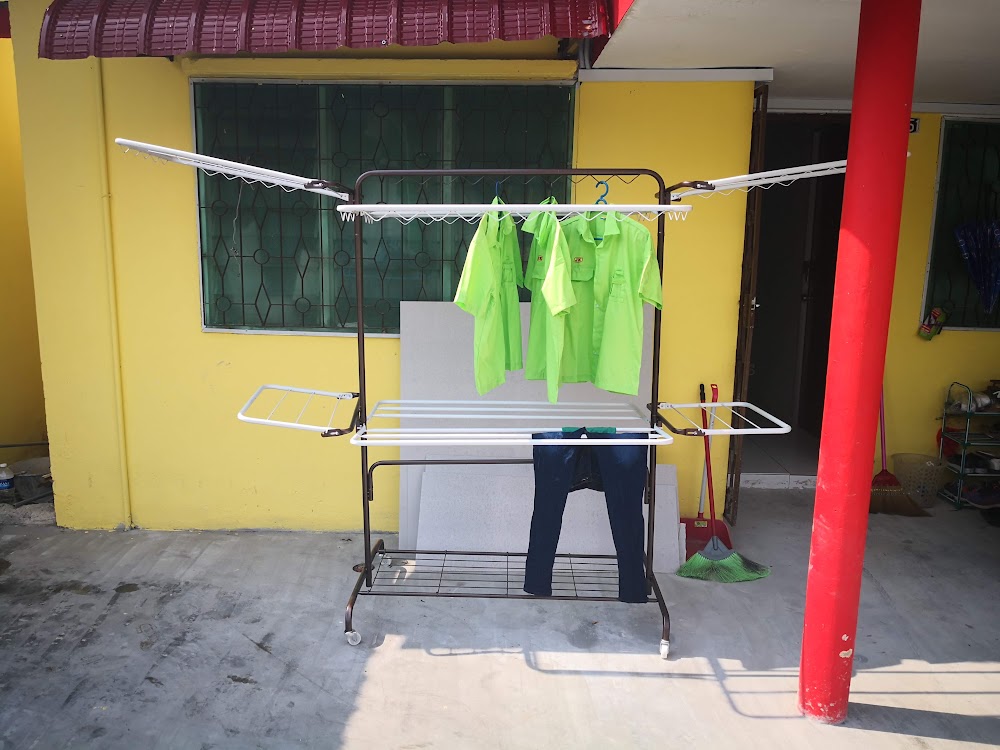 The outdoor drying rack in House 151 — share the space fairly and take your clothes down once dry. Photo: Bilik Sewa Senai
Looking after your belongings and staying safe
- Lock your room every time you leave, and keep valuables (wallet, phone, documents) somewhere safe.
- Don't leave important documents (MyKad, passport, bank cards) in the common areas.
- Save the landlord's phone number and one or two housemates you trust.
- In an emergency — fire, accident, or crime — call the 999 emergency line (MERS 999) first, then tell the landlord. The line connects to the police, Fire and Rescue, Ministry of Health, Civil Defence and Maritime Enforcement. Use it only for genuine emergencies; misuse is an offence under Section 233(2) of the Communications and Multimedia Act 1998.
What to do / who to call
- Everyday problems (noise, cleanliness, turns): talk to your housemate first, then message the landlord on WhatsApp: +60 12-708 8789.
- A real emergency (fire, accident, crime): 999.
- Shared electricity and water bills: see how to split TNB bills in a shared house.
- Deposit or rent disputes: see tenant rights and deposits.
When Problems Come Up
- Talk first, calmly. Many people don't realise they're disturbing others. Raise noise or cleanliness without accusing: "Could you turn it down a little? I'm on the morning shift."
- Use short written messages if language is hard. A translation app can help so nothing gets misunderstood.
- Involve the landlord if it keeps happening or you're not comfortable speaking directly. Send a WhatsApp message explaining what, when, and who.
- Avoid bringing up religion, politics or race in an argument. Focus on the behaviour that's bothering you, not the person.
Frequently Asked Questions
1. Will I be housed only with people from my own country? Not necessarily. Our houses are shared across a mix of nationalities and Malaysian states — if you'd like to know who currently lives in a specific house, just ask us on WhatsApp before you move in.
2. What if I have a conflict with a housemate? Speak to them directly first if you're comfortable, or message the landlord over WhatsApp — most day-to-day issues (noise, cleanliness, shared space use) get resolved quickly once flagged.
3. Is it normal to feel homesick even with friendly housemates? Yes, and it's common. Many tenants say building a routine — regular meals, keeping in touch with family by phone, and getting to know a few housemates well — helps a lot in the first few weeks.
4. What if I can't speak my housemates' language? Simple Bahasa Malaysia or English is usually enough. For anything more detailed, use a translation app and write short sentences.
5. Can I bring guests to the house? Usually for a short visit, yes, but overnight guests should be cleared with the landlord or housemates first. Ask about your house's rules when you move in.
6. Who do I call if a housemate threatens my safety? Call 999 if there is immediate danger, then tell the landlord.
7. Who pays the water and electricity bills? In our rooms, rent of RM350–RM400 a month includes water and electricity. In other houses, ask first how bills are split. See how to split TNB bills.
8. Do I need a work permit if I am from Sabah or Sarawak? No. Sabahans and Sarawakians do not need a work permit to work in Peninsular Malaysia.
Ready to Find Your Room?
If you want to know more about who currently lives in a specific house before you move in, just ask. WhatsApp us at +60 12-708 8789 (https://wa.me/60127088789) to check current room availability and ask any questions about house life.
Also see Tips for Living Comfortably in a Shared Rental Room and Why Sabahans & Sarawakians Feel at Home in Senai for more.
See also the move-in checklist for rental rooms in Senai.
Sources
Looking for a room in Senai? See the rooms at House 175, Taman Senai Baru, check rent, deposit & house rules, or go straight to today's vacant rooms.