One of the most overlooked decisions when renting a room is: how will you actually get to work? Your room's location relative to your factory can mean the difference between waking up at 5:30 AM versus 6:30 AM — and hundreds of ringgit saved or wasted every month on transport.
This guide covers the most common ways factory workers in Senai, Johor get to Kawasan Perindustrian Senai (Senai Industrial Estate) and surrounding industrial areas.
Option 1: Walking or Cycling (Best If You Can)
If your room is within 2–3 kilometres of your factory, walking or cycling is by far the cheapest and most reliable option.
Why it works:
- Near-zero cost (just bicycle maintenance)
- No dependence on van schedules, traffic, or anyone else
- You set your own departure time based on your shift
How to get a bicycle: Many workers pick up a second-hand bicycle from a colleague or through local Facebook groups for RM 50–RM 150. If your room is close to the factory, that's money well spent — you'll recover the cost in the first month alone.
The key is choosing a room that's genuinely close to your workplace. It's easy to underestimate how important that distance is when you're just starting out.
Option 2: Motorcycle
Motorcycle is the most popular choice among factory workers in Senai. It gives you full control — you go when you want, you come back when you want, no waiting for anyone.
What you need:
- A valid motorcycle licence (Class B for bikes under 500cc, or Class D)
- Valid motorcycle insurance
- Up-to-date road tax
- A helmet — required by Malaysian law, no exceptions
Estimated monthly petrol cost: For trips within Senai, expect to spend around RM 50–RM 100 per month on petrol, depending on your factory's distance from your room.
For Foreign Workers
If you have a motorcycle licence from your home country and plan to stay in Malaysia for more than 90 days, you should convert your licence to a Malaysian one. Contact JPJ (Jabatan Pengangkutan Jalan — the Road Transport Department) or ask your employer's HR department about the process. Don't assume your home country licence is automatically valid — check first.
Option 3: Factory Van or Bus
Many factories in Kawasan Perindustrian Senai and Taman Perindustrian Murni run their own worker transport — either free or with a small fee deducted from your salary.
How to find out if your factory offers this:
- Ask HR during your interview or first day of work
- Ask a colleague who has been there longer
What works well with factory transport:
- You don't need your own vehicle
- The schedule lines up with your shift
- You can rest or sleep during the ride
The downside:
- You're tied to the van's fixed schedule
- If you miss the pickup point, you miss the van
- Staying late or leaving early on your own terms is harder
If your factory has a van, use it while you're new. It's the easiest option to start with. Once you're settled and know the area, you can decide if a motorcycle makes more sense.
Option 4: Carpooling with Colleagues
Carpooling is common among factory workers — a few colleagues share the cost of petrol with one person who owns a car.
How it typically works:
- The car owner picks up 3–4 colleagues who live nearby
- Each passenger contributes RM 50–RM 100 per month toward petrol, depending on distance and agreement
- Everyone works the same shift, so the schedule aligns naturally
Important: Agree upfront on the amount and the pickup time. A vague arrangement leads to awkward situations later. Put the terms in a simple verbal agreement at minimum — how much, when, where.
Carpooling is a good middle ground if you don't have a motorcycle yet but the factory van doesn't cover your area.
Option 5: Public Bus
Johor Bahru and its surrounding townships have public bus services, and some routes do connect residential areas with industrial zones. However, coverage and frequency vary significantly by location.
For current Senai-area routes and schedules, check Causeway Link or the local transport authority — schedules change and are not always easy to find online.
Important caveat: Public buses are generally not practical for night shift or early morning shift workers. Services are less frequent outside normal hours, and waiting at a bus stop at 5 AM or midnight is neither safe nor convenient.
Option 6: Grab or Taxi
Grab is convenient, but expensive if you use it daily.
It makes sense for:
- Occasional use (heavy rain, your motorcycle is being repaired, an emergency)
- Workers who just arrived and haven't sorted out regular transport yet
Don't make this your permanent solution. Daily Grab rides to and from a factory add up to hundreds of ringgit a month — a large chunk of your salary going to transport alone.
Which Option Fits Your Situation
| Situation | Best Option | |---|---| | Factory is within 2 km of your room | Walk or cycle | | You have a licence and can afford a motorcycle | Motorcycle | | Your factory runs a worker van | Use the van | | Colleagues work the same shift and live nearby | Carpool | | Just arrived, no transport yet | Factory van → get a motorcycle later | | Occasional or emergency only | Grab or taxi |
Location Matters More Than You Think
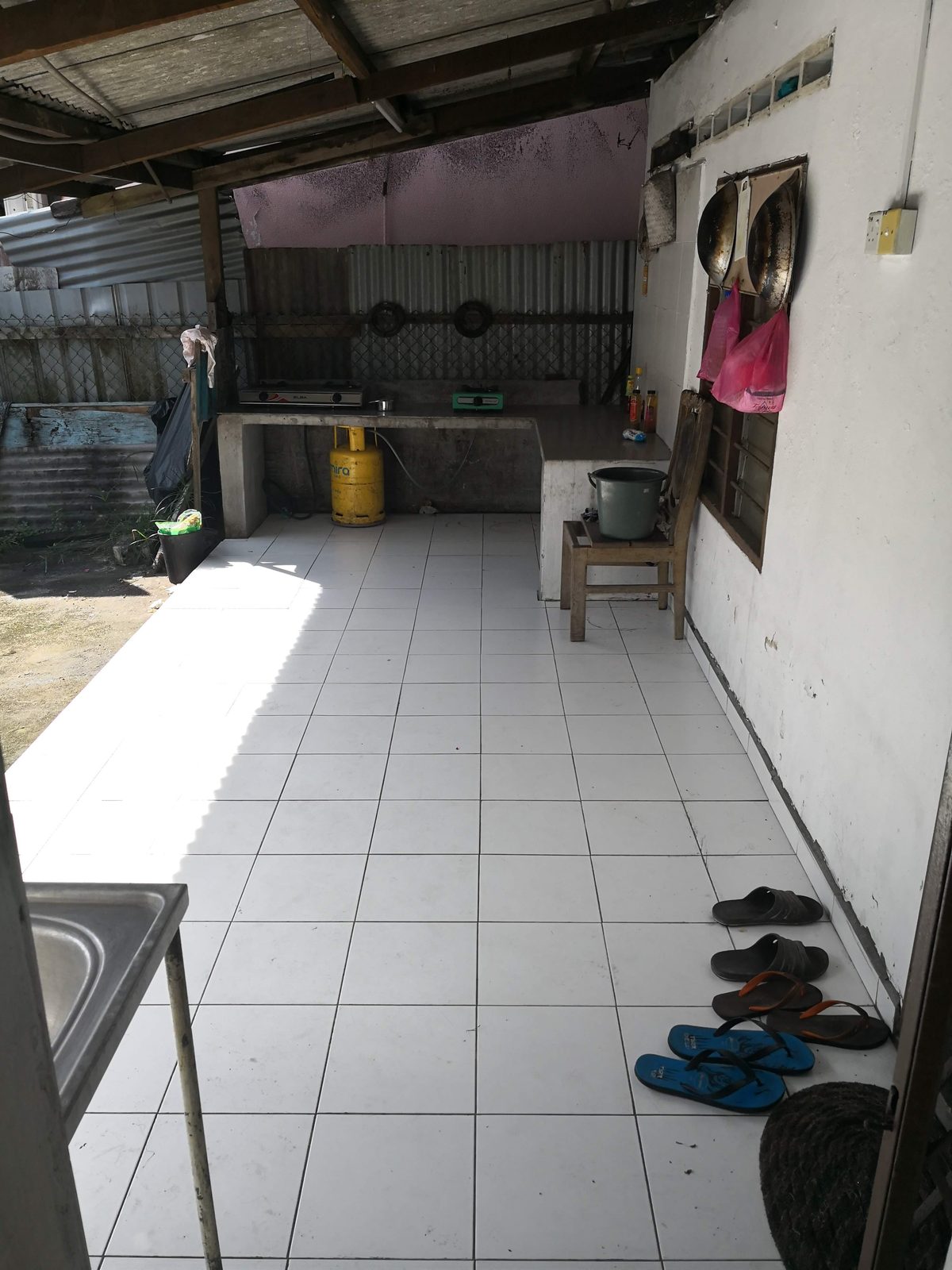
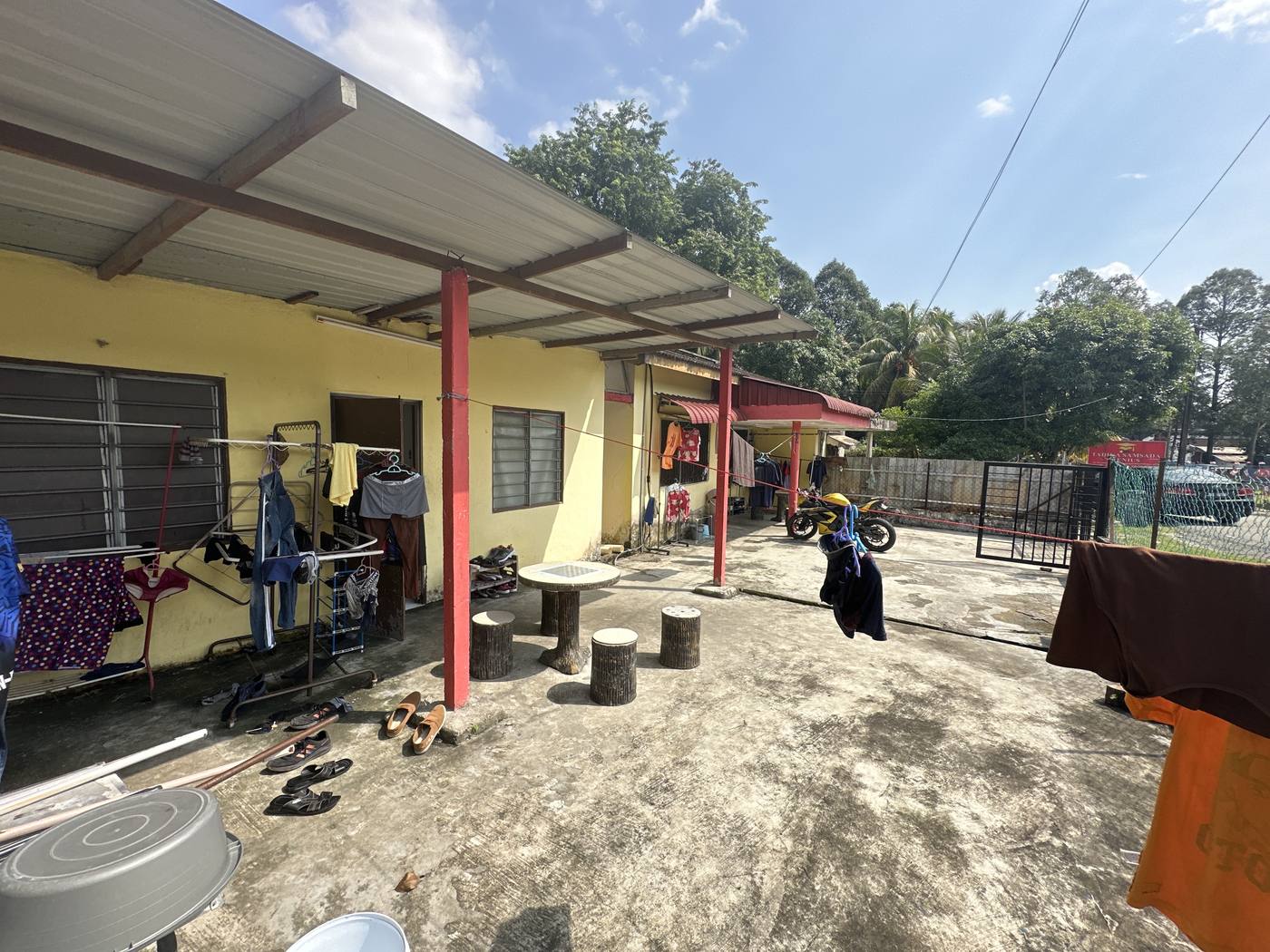
Every option above becomes easier when your room is close to where you work. That's why it's worth choosing a room based on distance to your factory — not just on monthly rent alone.
A room that costs RM 20 less per month but adds an extra 45 minutes of daily commuting isn't actually saving you money. It's costing you time, energy, and probably more in transport.
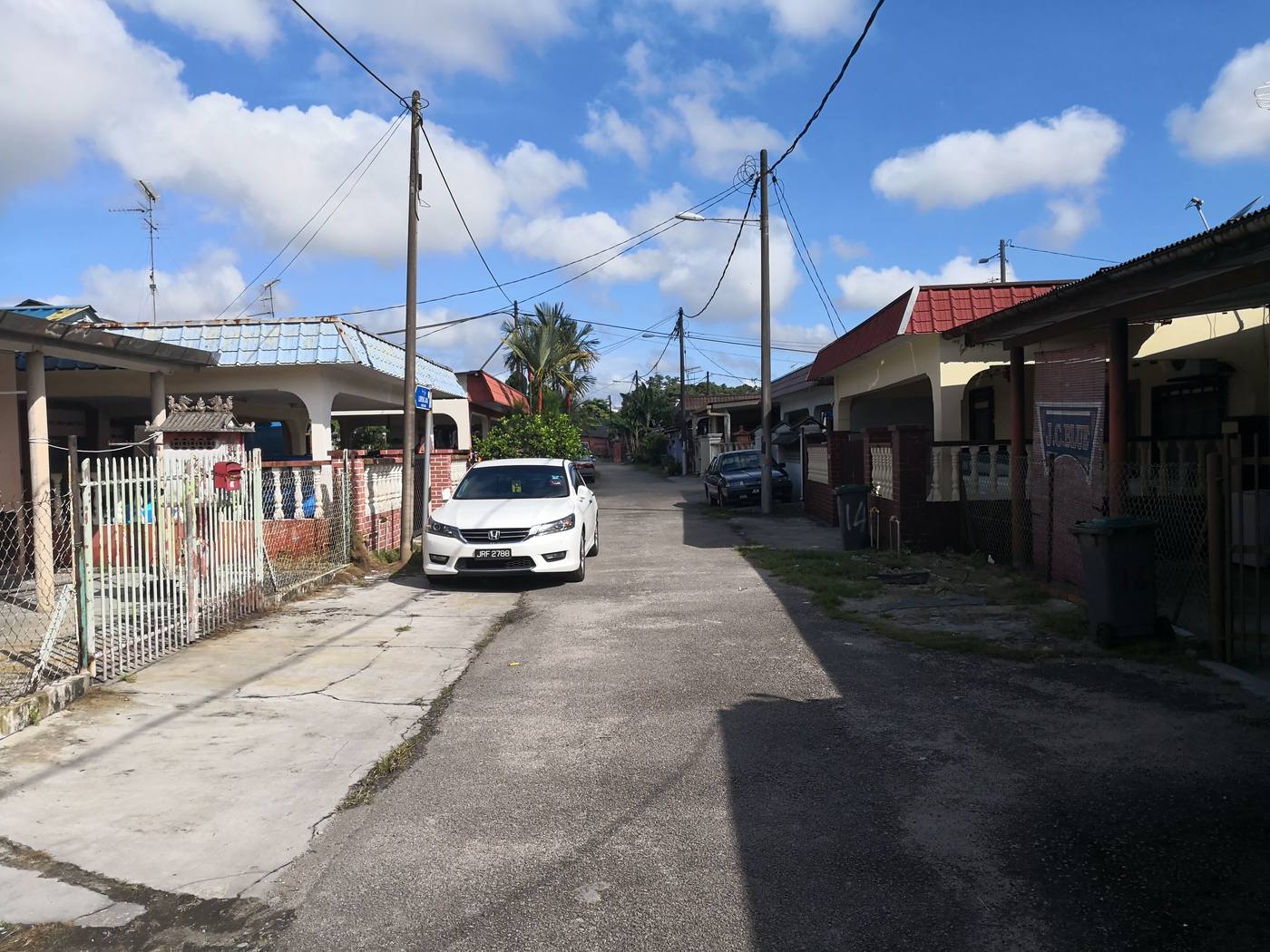
Our rooms are located near Taman Perindustrian Senai (Senai Industrial Park) and Taman Perindustrian Murni. If you want to know how far a specific room is from your factory, WhatsApp us at +60 12-708 8789 — tell us where you work and we'll give you an honest answer before you commit to anything.